
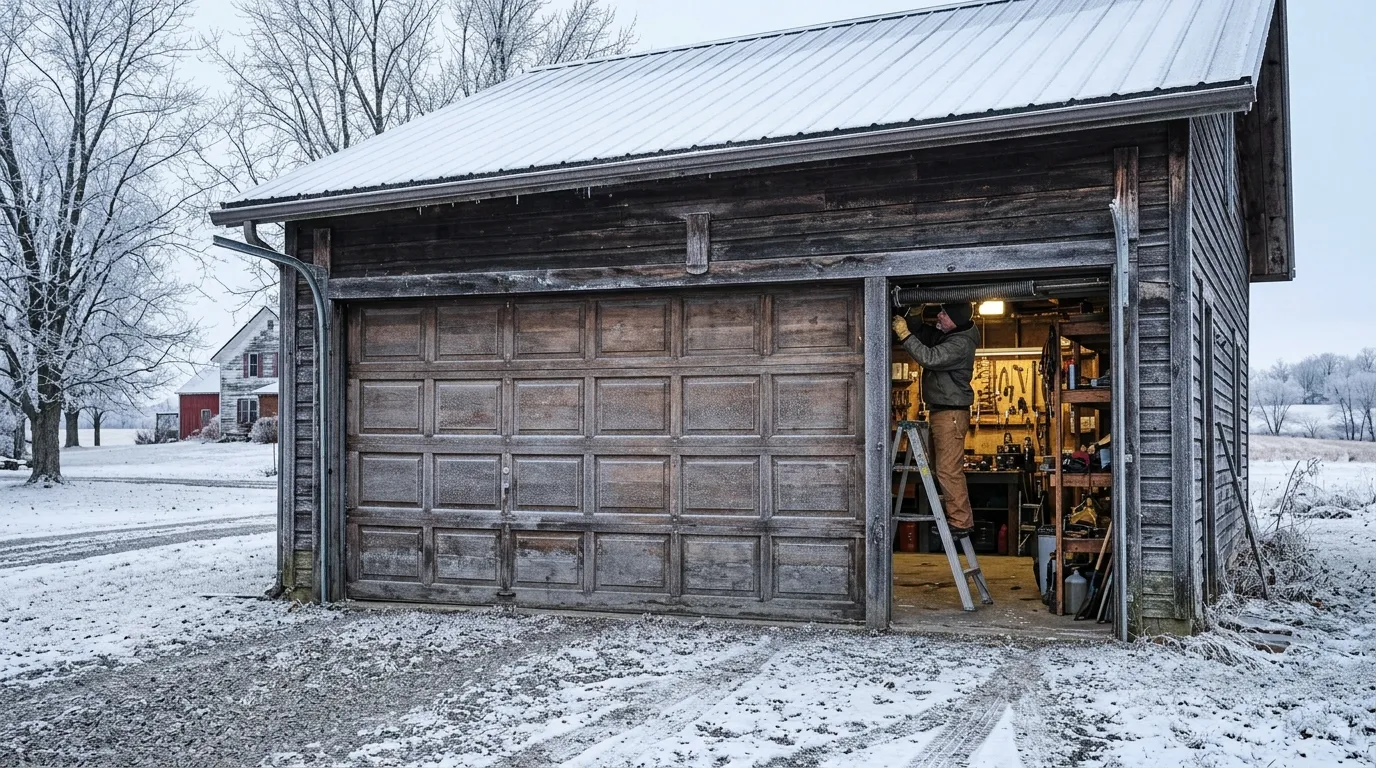
Red Oak Garage Door Guide
Garage Doors on Red Oak's 1980s and 90s Housing Stock
Red Oak's housing stock mostly dates to the 1980s and 90s, and that age shows up in the openers and springs we get called on. Here's what to check first.
- Licensed & Insured
- Same-Area Service Calls
- Upfront Pricing
The Problem
Most of the doors we get called on in Red Oak aren't failing because of bad luck. They're failing because of age that matches the neighborhood around them. Housing here was built mostly between 1981 and 2014, with a median build year around 1991, and that means a big share of garage doors and openers are original or close to it.
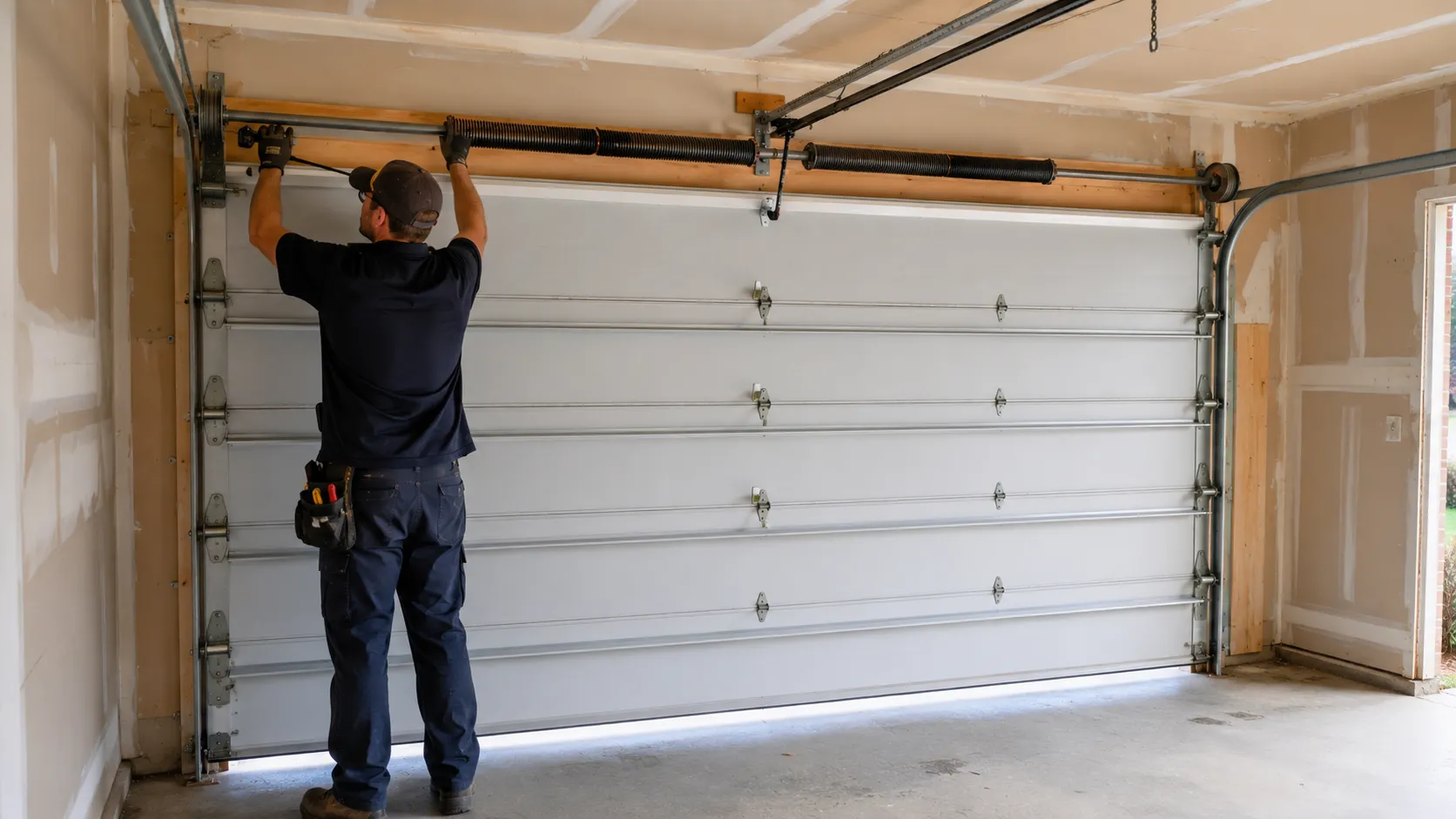
A door installed in 1991 has been through three decades of Texas heat cycles on its springs, tracks, and hardware. Torsion springs are rated in cycles, not years, and a spring that's put in 30-plus years of daily use is closer to the end than most owners realize until it lets go. Across the nine areas that make up the bulk of Red Oak's housing - mostly that same 1980s-90s stock - we see the same pattern: openers with drive systems that were standard when the house was built, springs nobody's touched since move-in, and rollers that were never upgraded from steel to nylon.
None of this is dramatic until the day it is, usually with a bang and a door that won't move. The fix is rarely mysterious. It's just overdue.
What Local Conditions Do
Red Oak sits in a moderate-heat climate band, not the extreme end of Texas heat, but still enough sustained warm-weather stretches to matter for garage door hardware. Heat doesn't destroy a spring the way a hard freeze can snap a brittle one, but it does something slower and just as costly: it dries out lubricant on tracks and hinges faster, and it expands and contracts metal panels and seals over and over across a season. On a steel door built in the early 90s, that cycle has been running for over 30 years.
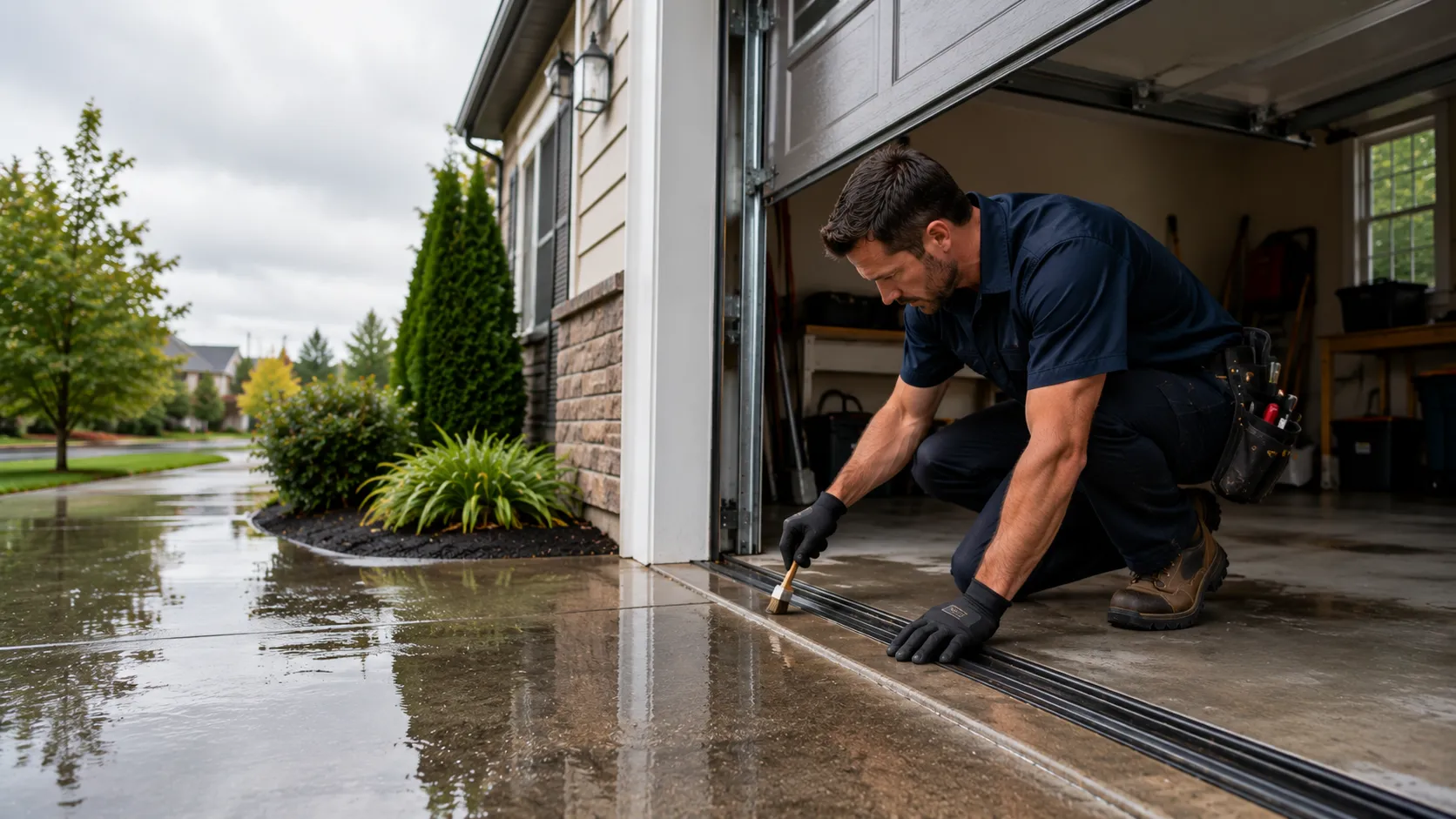
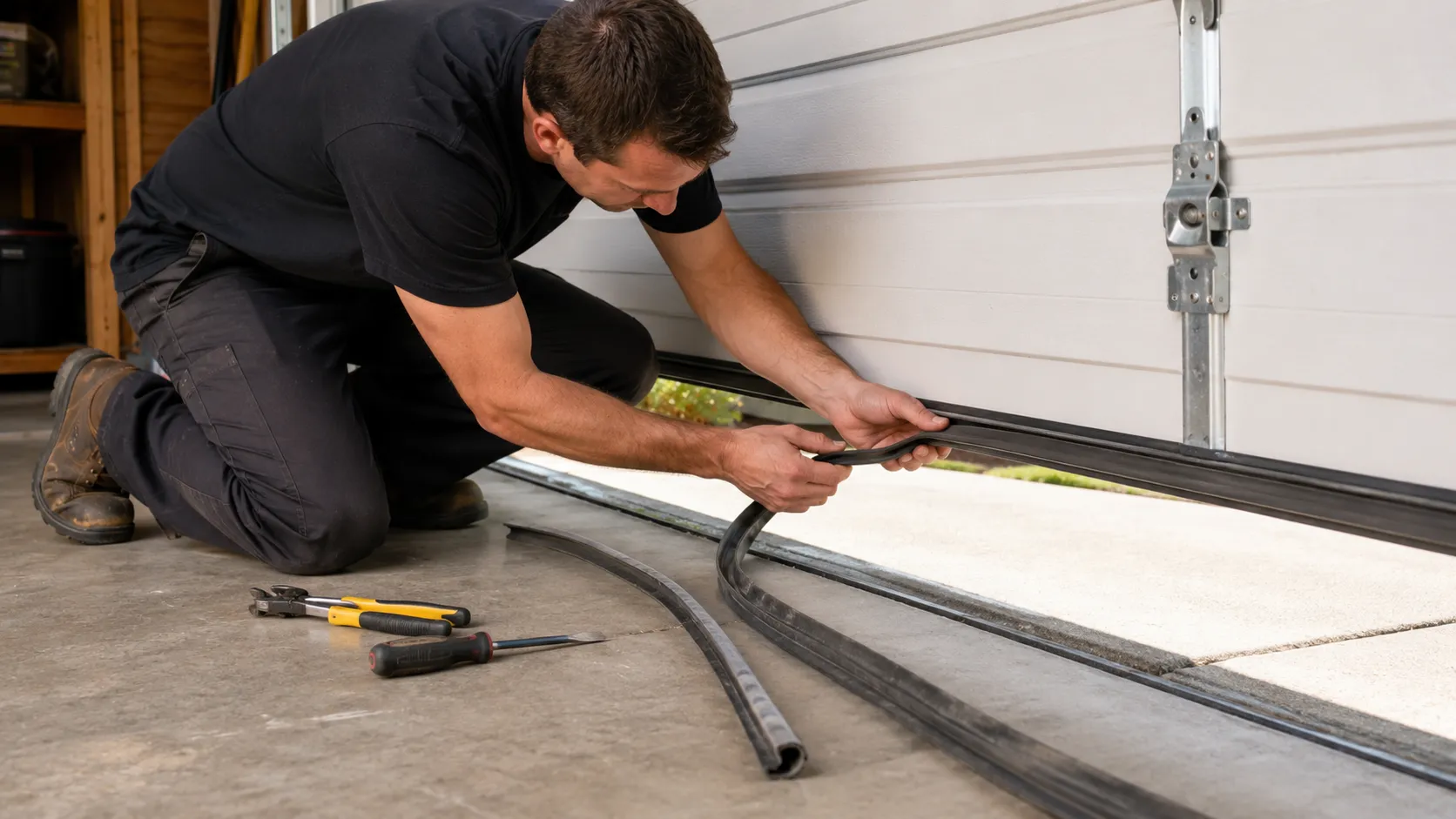
Weatherstripping on the bottom seal is usually the first casualty - it goes stiff, cracks, and stops sealing against dust and heat the way it did when it was new. Openers suffer too. Circuit boards and sensors in older units weren't built with today's heat-rated components, so an opener from that same 1980s-90s wave of construction is more likely to have a sensor or logic board issue than a brand-new unit would.
None of this means everyone needs a new door. It means the parts most exposed to sun and heat cycles are the ones worth checking before they fail on you.
What to Look At First
Start with what's oldest and most stressed, not what's newest and shiniest. If your house falls into that 1981-2014 build range - and most of Red Oak does - the spring is the first thing worth a look, especially if nobody's replaced it. Stand back and watch the door open: does it lurch, hesitate, or seem to labor near the top?
That's a spring losing tension. Next, check the bottom seal for cracking or gaps you can see daylight through - heat-hardened rubber is common on original doors here. Third, listen to the opener.
Grinding, or a motor that runs longer than it used to before the door moves, points to a drive system wearing out, which tracks with an opener that's been running since the house was built. We won't tell you to replace a working door early - if the spring's holding tension and the opener's quiet, leave it alone. But on a home from this era, these three checks catch most of what eventually turns into an emergency call.
Season by Season
Spring and fall in Red Oak are the easiest stretch on hardware - moderate temperatures mean less stress on springs and less strain pulling doors through heat-swollen tracks. Summer is where the moderate-heat climate band earns its keep: repeated hot afternoons dry out lubricant and stiffen seals, and that's when we see the most opener and sensor calls.
Winter here doesn't hit the deep-freeze extremes of colder states, but Red Oak still gets cold snaps, and a spring that's already fatigued from decades of summer cycling is more likely to give out when a spring goes in cold weather - the metal contracts, and a spring near the end of its life doesn't need much more to fail completely. If your door is original to a house built in the 1980s or 90s, the smart move is checking it before summer heat and before the season's first cold snap, not after something breaks.
How We Can Help
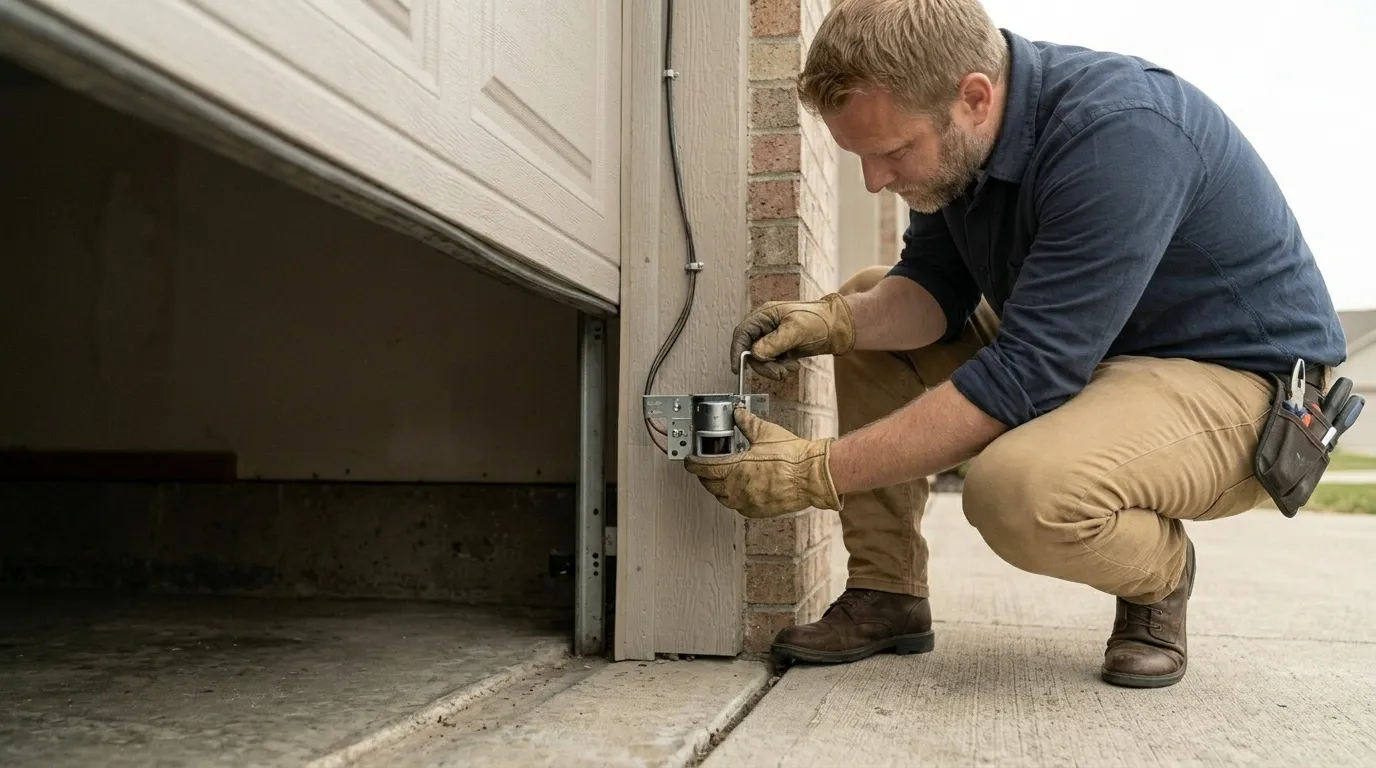
Garage Door Repair
Springs, cables, tracks, rollers, and openers fixed by a tech who explains the problem before touching anything.
Learn more →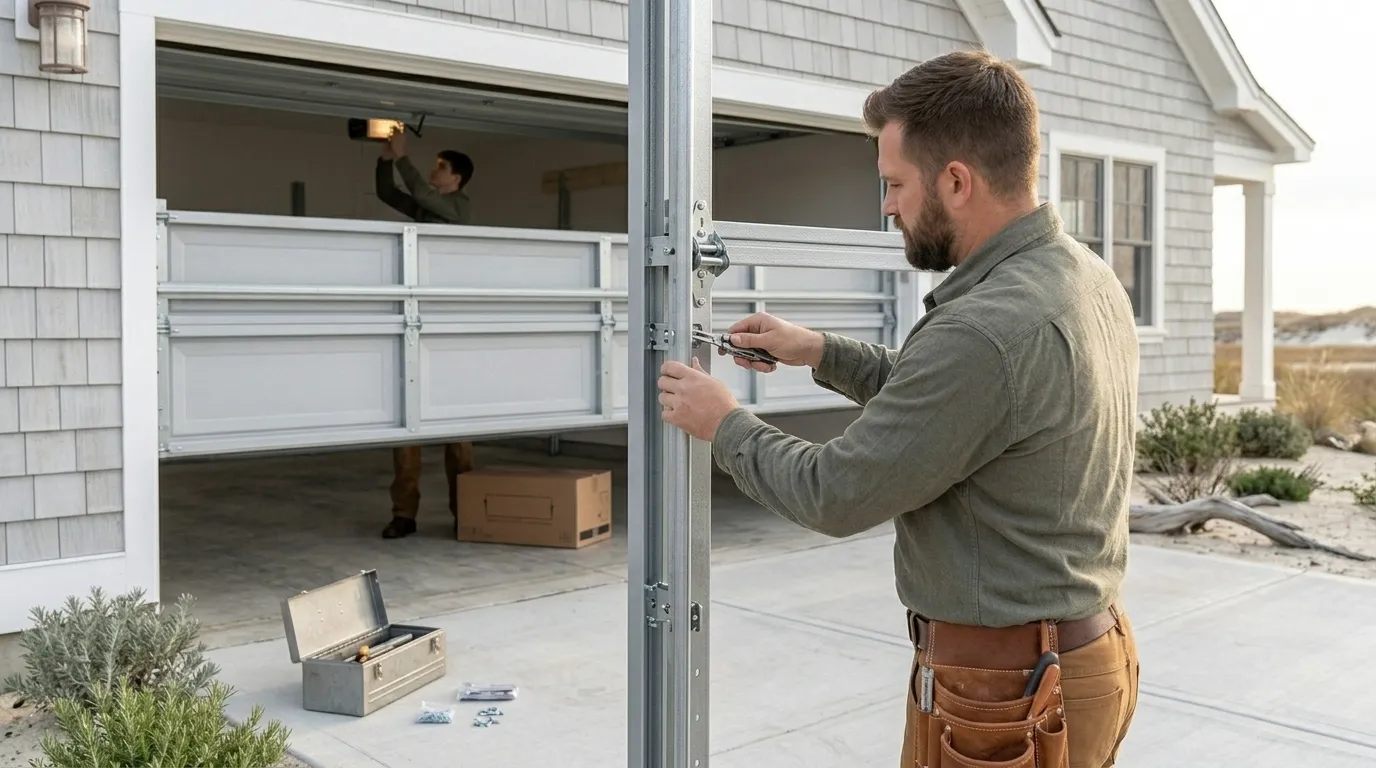
Garage Door Installation
New sectional doors sized and installed for the housing stock actually built in this area.
Learn more →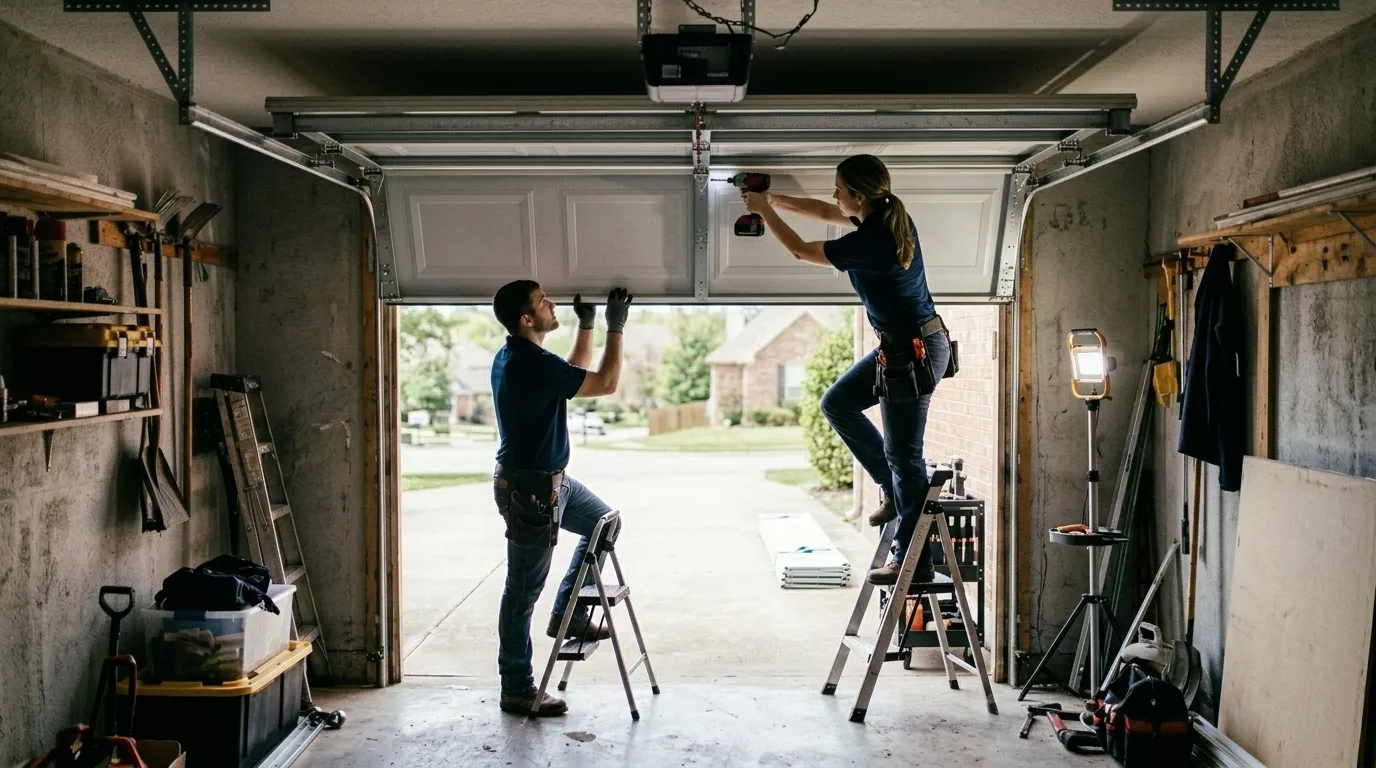
Garage Door Service
Tune-ups, lubrication, and safety checks that catch a small problem before it becomes a service call.
Learn more →Frequently Asked Questions
Why do so many Red Oak garage doors seem to fail around the same age?
Because so much of the housing here went up in a tight window, mostly between 1981 and 2014 with a median around 1991. Springs, openers, and seals installed at construction are all aging on roughly the same timeline, so failures cluster by house age rather than by chance.
Does Red Oak's climate really affect garage door parts?
Yes, though not dramatically. The moderate-heat band means repeated warm cycles that dry lubricant and stiffen weatherstripping faster than a mild climate would, plus occasional cold snaps that can finish off a spring already weakened by years of heat cycling.
Should I replace my opener or just the sensor?
Depends on what's failing. If it's just a sensor misaligned or dirty, that's a small fix. If the logic board or motor on an original-to-house opener is failing, replacement usually makes more sense than chasing repairs on a 30-year-old unit. We'll tell you honestly which one you're looking at.
Is my door too old to repair?
Not automatically. A door with a sound panel and track can often keep going with a new spring or opener. But if the door itself is original to a house built in the early 90s and showing rust or panel damage, replacement is often the more honest answer than repeated repairs.
Have a Door That Needs a Second Opinion?
Call and describe what it is doing - we will tell you what it likely is.