
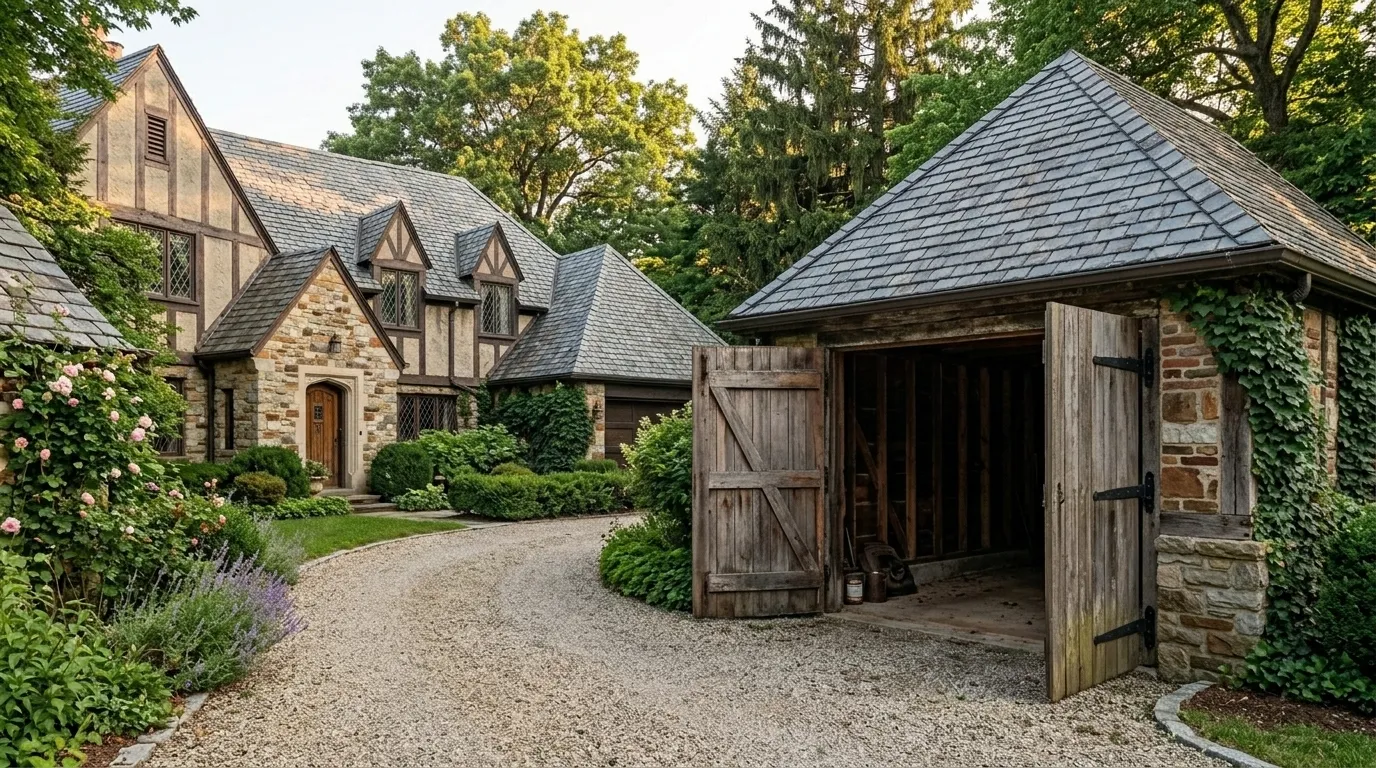
Red Oak Garage Door Guide
Garage Door Repair Built Around Red Oak's Housing Stock
Red Oak homes mostly date 1981-2014, median 1991. We know the builder-grade hardware that came with that stock and how Red Oak's moderate heat wears it down.
- Licensed & Insured
- Same-Area Service Calls
- Upfront Pricing
The Problem
Most of Red Oak went up between 1981 and 2014, with the median house dating to 1991. That's not new construction, and it's not the pre-war stock you'd find in an older Texas town either - it's a specific band of builder-grade garage doors and openers that all landed within a couple decades of each other. Across the nine named pockets that make up Red Oak's housing, the pattern holds: mostly 1980s and 90s stock, meaning a lot of doors, springs, and drive systems are aging out at roughly the same time.
That's different from a town with a mixed bag of construction eras, where failures spread out randomly. Here, when one torsion spring on a 1991-built house lets go, the identical spring on the house down the street is usually not far behind it, because the sun's been on both of them for the same number of summers. We see the same opener gear-and-sprocket kits failing in clusters, the same steel panel gauges denting the same way.
It's not that Red Oak owners have worse luck - it's that the neighborhood was built out fast, in a narrow window, with the door hardware that was standard at the time.
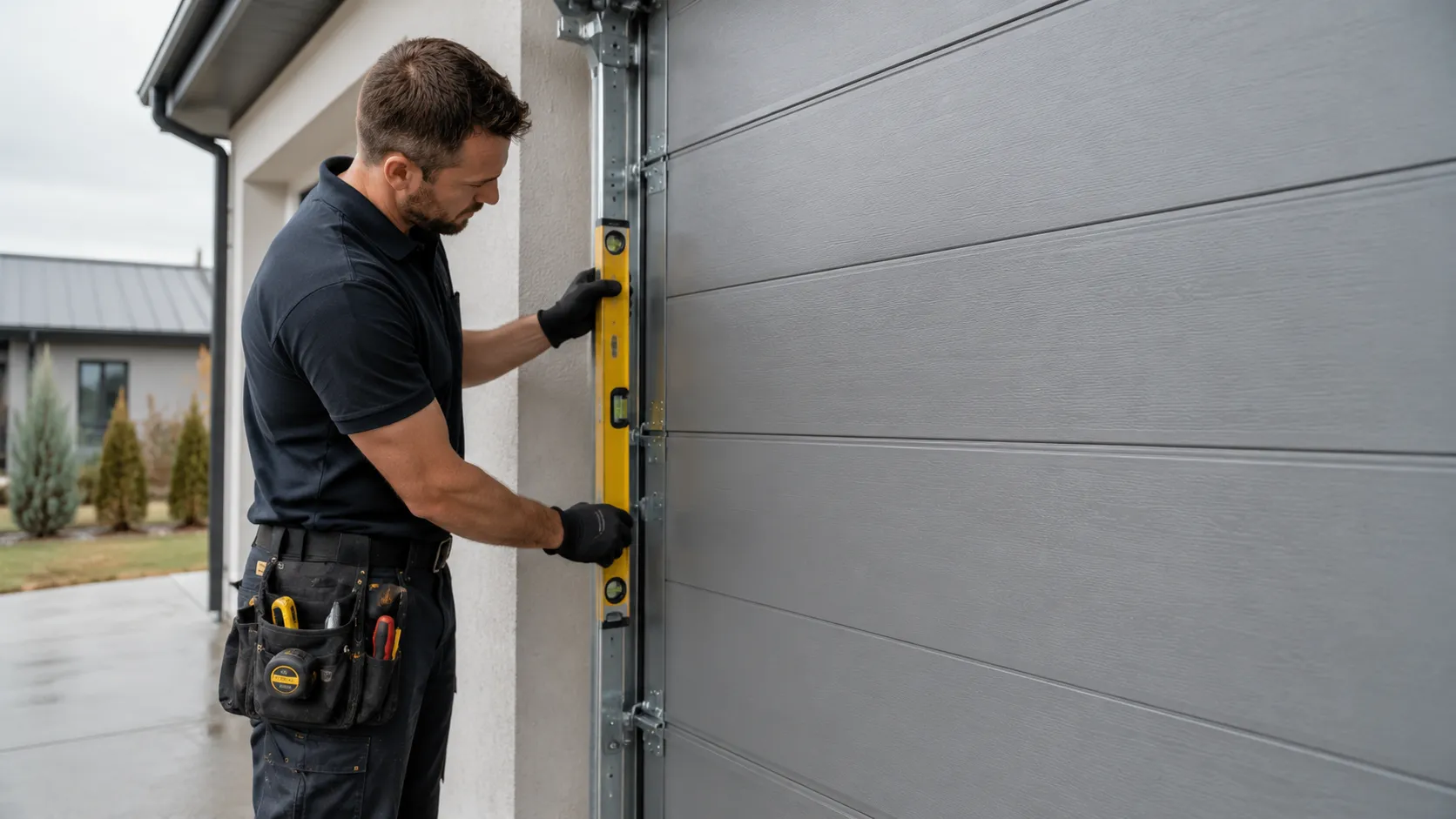
What Local Conditions Do
Red Oak sits in a moderate-heat climate band - not the extreme swings you'd get further west, but enough sustained summer heat to matter over 30-plus years. On a door built in 1991, that means the nylon rollers have had three decades of expansion and contraction, the lubricant on the torsion spring coils has dried and been reapplied (or not) more times than most owners can count, and the weatherstrip along the bottom panel has hardened and cracked from UV exposure rather than cold. Moderate heat doesn't snap steel the way a hard freeze-thaw cycle does, so we don't see the sudden cable failures some colder regions get in January.
What we do see is slow fatigue - springs that lose tension gradually instead of breaking clean, openers that start straining months before they quit outright. If your door's original to a house from that 1981-2014 build window, the heat has been working on it the whole time, just quietly. That's the honest limitation here: we can't tell you exactly when a slowly fatiguing spring will finally go.
We can tell you it's closer to that point than a spring on a five-year-old door.
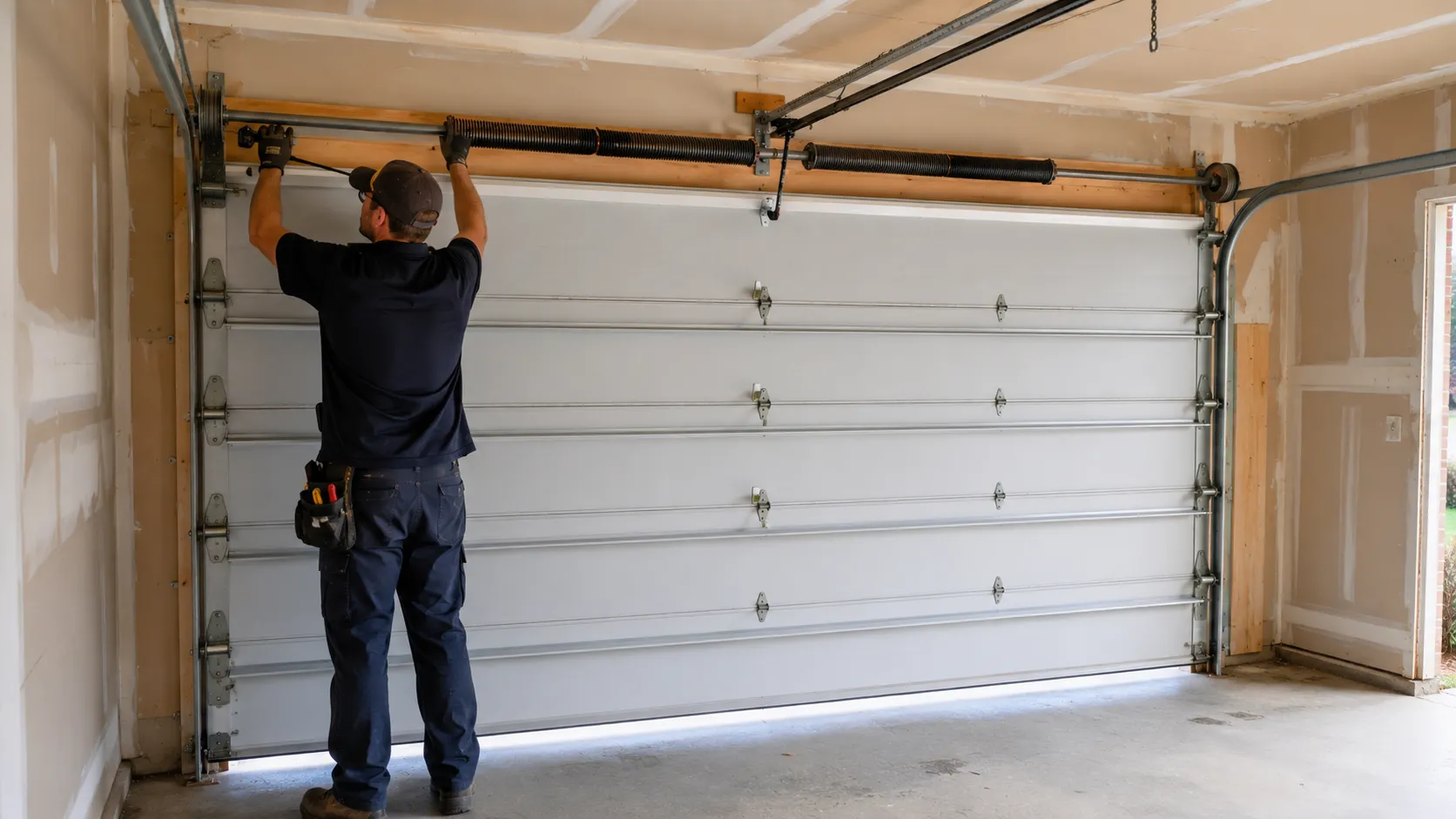
What to Look At First
Start with the springs. If your house falls in that 1981-2014 window - and with a median build year of 1991, most of Red Oak does - the torsion spring is either original or a first replacement, and either way it's carrying decades of cycles. Count the coils if you can see daylight between them when the door's down; gapping coils mean the spring's near the end.
Next, check the track brackets. Builder-grade installs from that era used lighter-gauge steel than what goes in today, and after enough seasons of Red Oak heat, those brackets can work loose from the jamb, throwing the whole door out of square. Third, the opener's drive gear - plastic gear-and-sprocket setups common in 80s and 90s openers wear down and start slipping before they fail completely; a grinding sound on start-up is usually that gear, not the motor.
With 6,001 owner-occupied houses among roughly 10,023 households in the area, a lot of these are original systems nobody's touched since move-in. If yours hasn't had a spring or roller replaced yet, it's likely overdue rather than fine.
Season by Season
Because Red Oak's climate band is moderate heat rather than extreme swings, the seasonal pattern here is less about sudden failure and more about accumulated wear catching up all at once, usually in the hottest stretch of summer when a strained spring or dry-rotted seal finally gives. Spring and fall are the windows to catch it early - check spring tension and reapply lubricant to rollers and hinges before the heat sets in, since it's easier to service hardware at moderate temperatures than to diagnose a door that's already binding under a 100-degree track. Winter here doesn't bring the freeze-related cable and spring snaps that colder regions deal with, so if you're budgeting maintenance, put your money into summer prep instead.
At a median household income of $87,379, most owners we talk to can choose between a full replacement and another repair rather than being forced into either - worth knowing before you commit, since a 1991-era door nearing the end of its service life sometimes costs more to keep patching than to replace outright. We won't push a full replacement on a door that just needs a spring, but we'll say so when repair stops making sense.
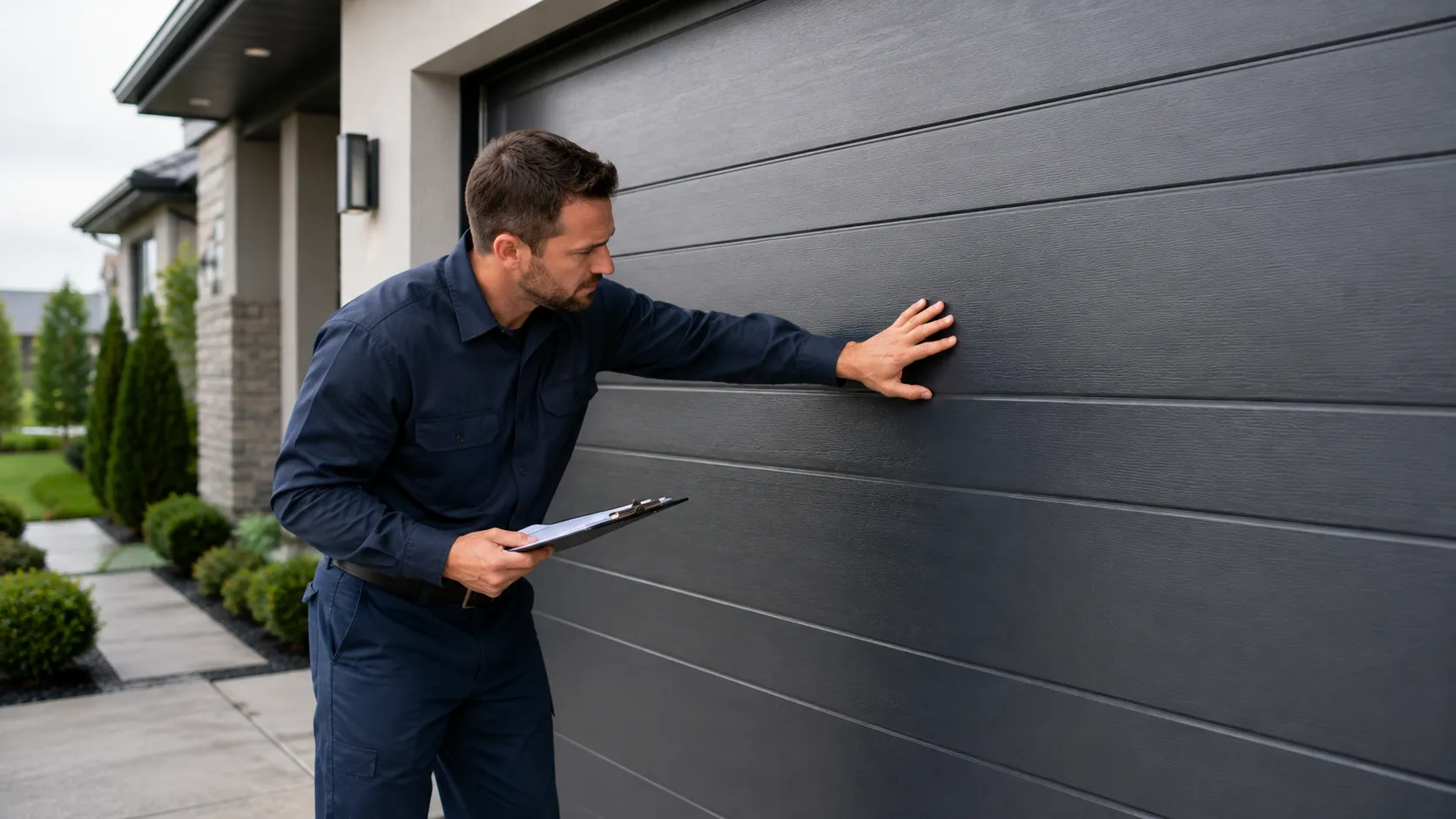
How We Can Help
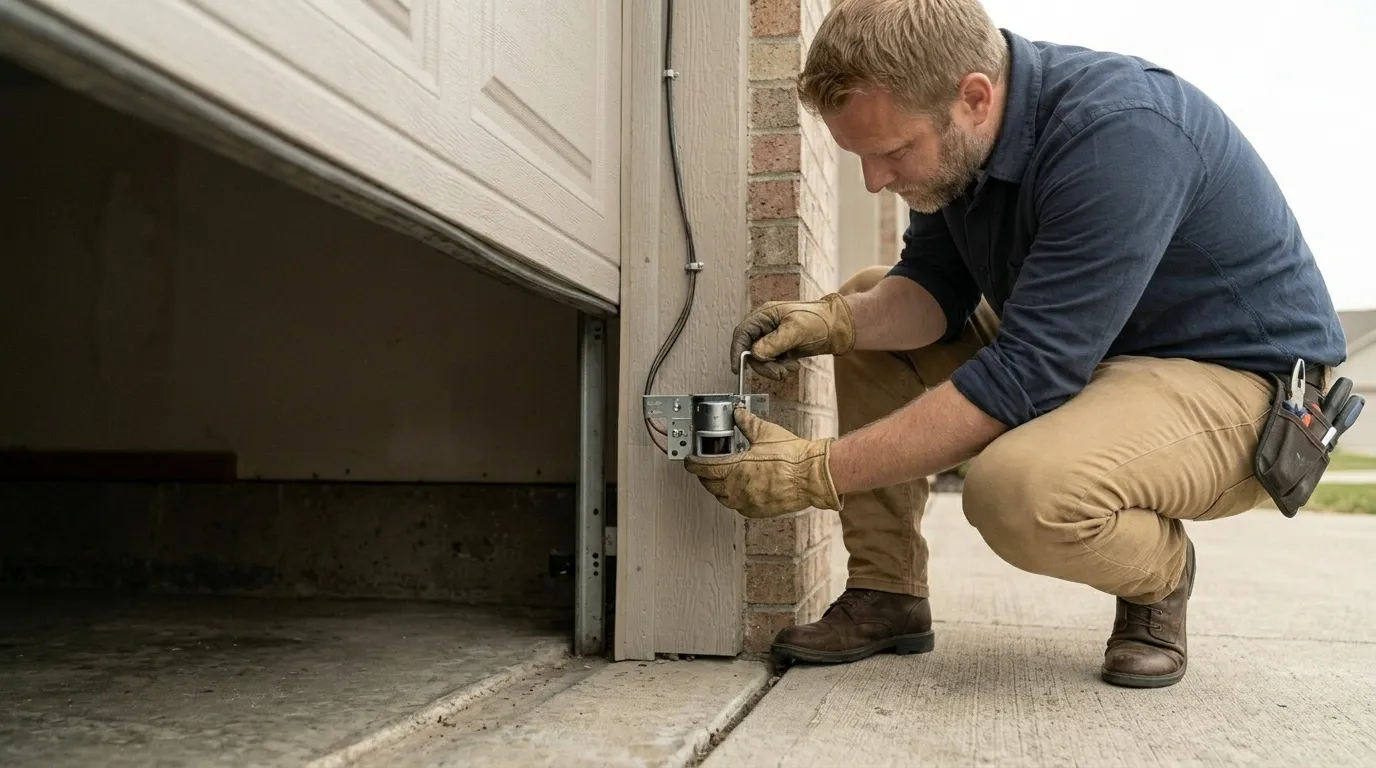
Garage Door Repair
Springs, cables, tracks, rollers, and openers fixed by a tech who explains the problem before touching anything.
Learn more →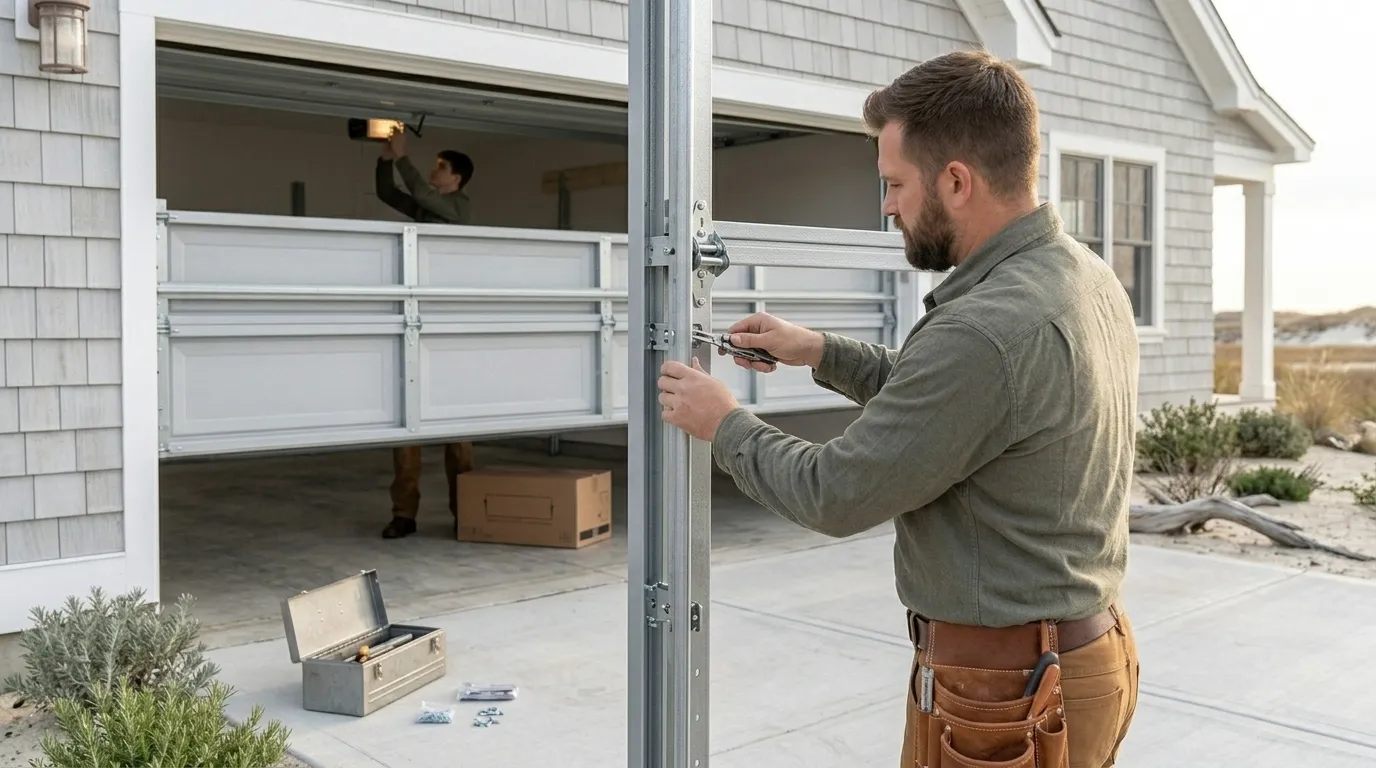
Garage Door Installation
New sectional doors sized and installed for the housing stock actually built in this area.
Learn more →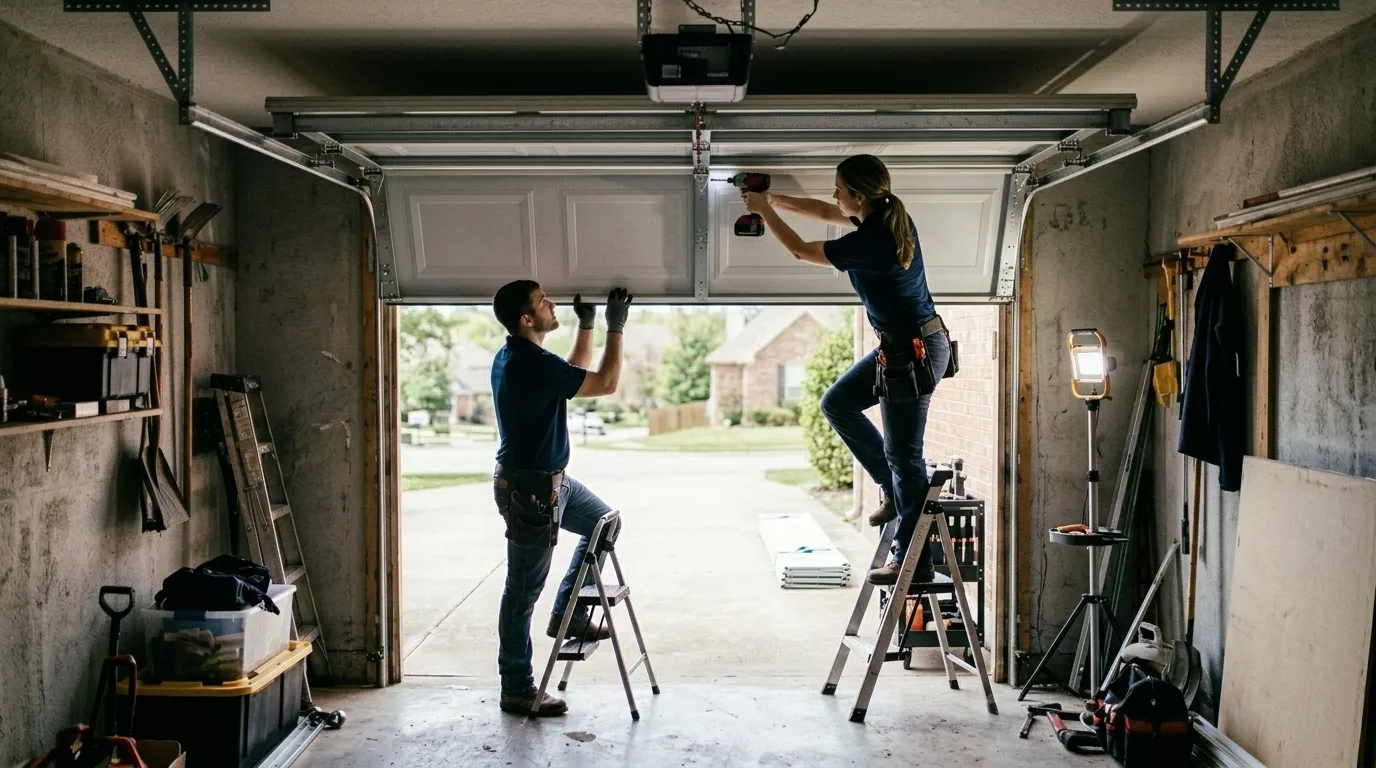
Garage Door Service
Tune-ups, lubrication, and safety checks that catch a small problem before it becomes a service call.
Learn more →Frequently Asked Questions
How old is a typical garage door in Red Oak?
Most Red Oak houses were built between 1981 and 2014, with the median landing around 1991. Unless a previous owner replaced it, the garage door and opener on a typical house is likely original to that build year or close to it - meaning several decades of wear on the springs and rollers.
Does Red Oak's heat really affect garage door springs?
Yes, though gradually. Red Oak sits in a moderate-heat climate band, so we don't see sudden cold-snap cable failures. What we see instead is slow fatigue - dried lubricant, hardened weatherstrip, and springs that lose tension over years of summer heat rather than breaking all at once.
Should I repair or replace a door from the 1990s?
It depends on what's failing. A worn spring or roller on an otherwise sound door is usually worth repairing. But if the track brackets have loosened and the opener's drive gear is going too, replacement can cost less over time than repeated repairs. We'll tell you honestly which situation you're in.
Have a Door That Needs a Second Opinion?
Call and describe what it is doing - we will tell you what it likely is.