
Red Oak Garage Door Guide
Why Red Oak's Openers Struggle With Heat and Power Cuts
Most Red Oak houses date 1981-2014, and openers installed then are aging out. See what local heat and power interruptions mean for your door and opener.
- Licensed & Insured
- Same-Area Service Calls
- Upfront Pricing
The Problem
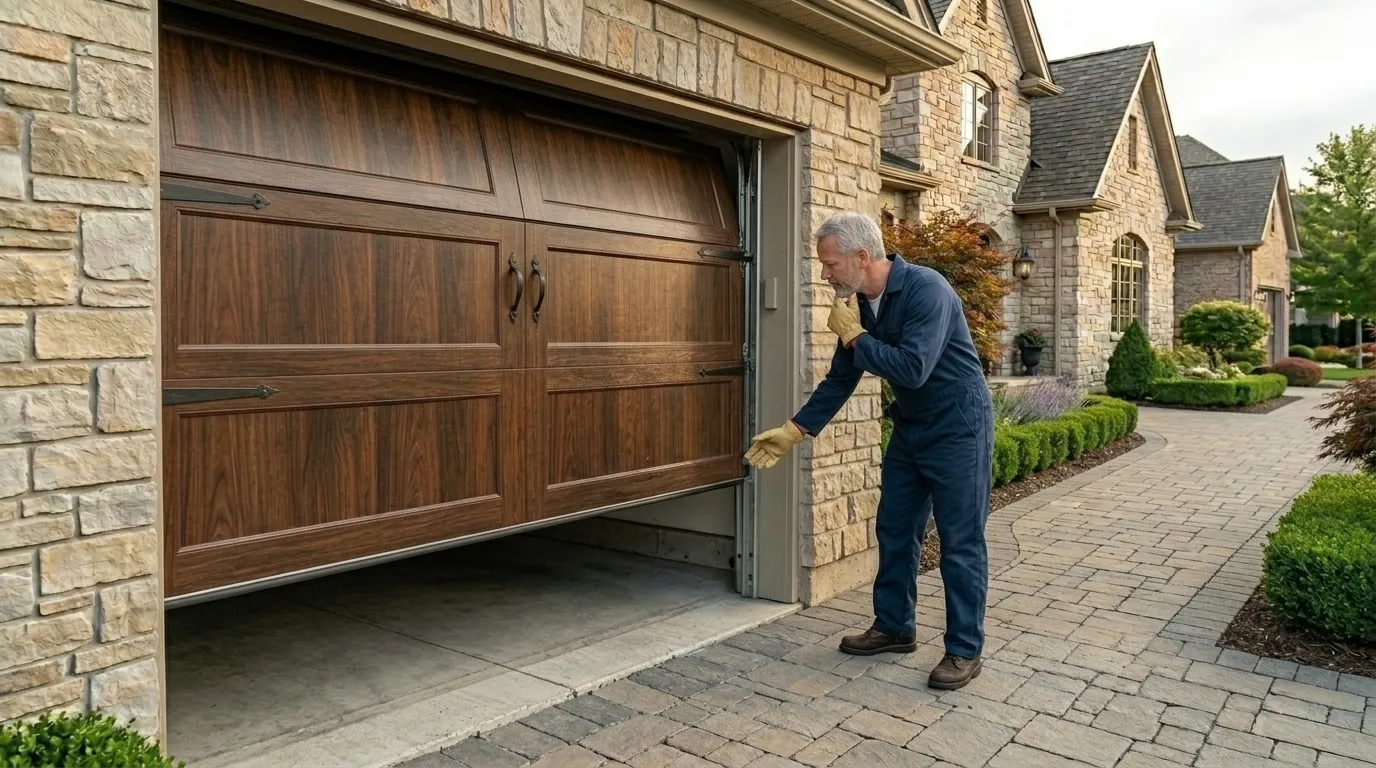
Most of the housing stock across Red Oak and the nine areas we cover - Oak Leaf, Ovilla, Ferris, Wilmer, Palmer, Hutchins, Combine, Maypearl, and Venus - went up between 1981 and 2014, with a median build year around 1991. That means a lot of original chain-drive openers, or first-generation replacements, are still bolted to the ceiling right now. These units were never built to run silently on a smart circuit board for thirty-plus years, and a good number of them are on their second or third capacitor by now.
The second half of the problem is power. When the grid drops even for a few seconds, a standard opener with no battery backup just stops - mid-cycle, mid-close, doesn't matter.
In a house built in the 90s, the odds are decent that the opener was installed before battery backup was a standard feature, so a short outage means walking out to lift the door by hand until power's back and the unit resets. That combination - an aging motor unit plus no backup - is the actual failure point we get called out for most, not a broken spring or a dented panel.
This isn't a scare story about your specific opener. It's a pattern that shows up across a service area where the housing is this consistent in age.
What Local Conditions Do
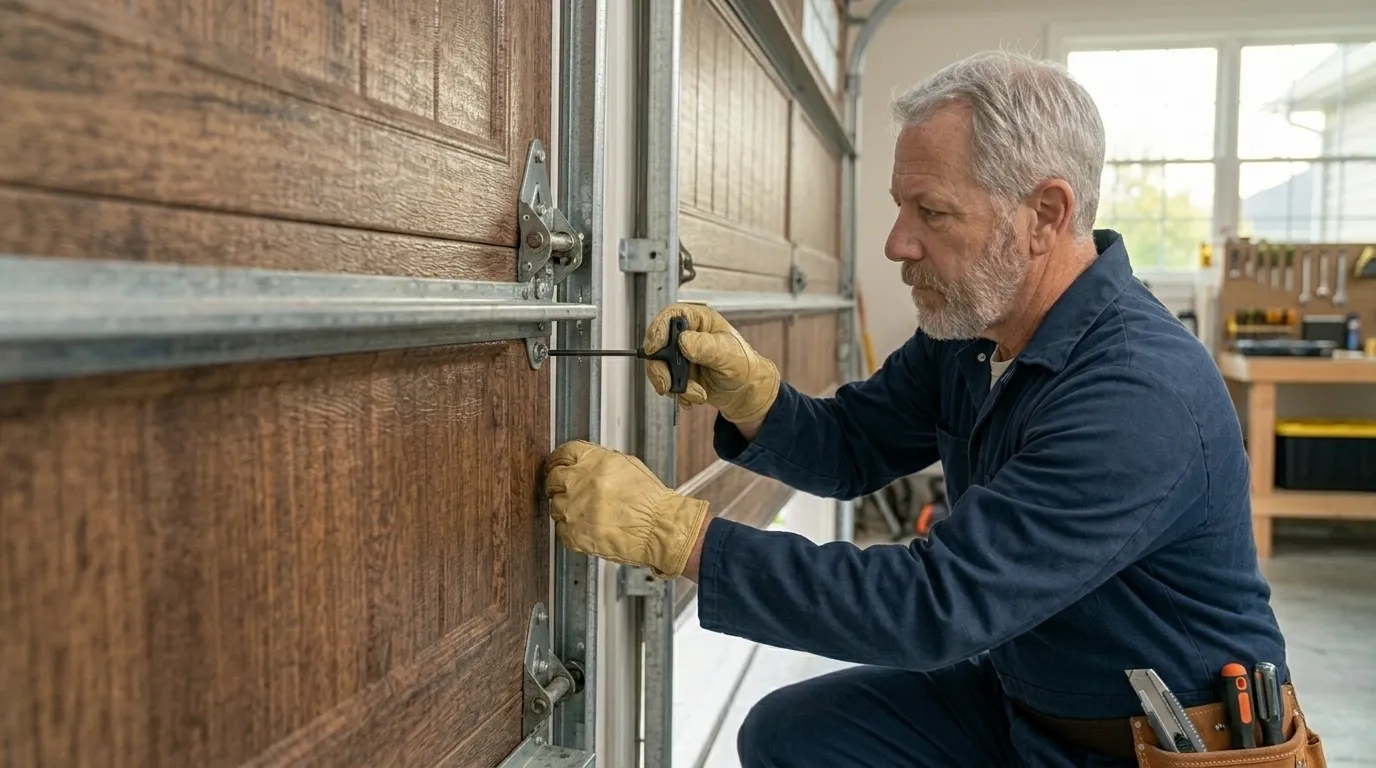
Red Oak sits in a moderate heat band, not the extreme end of Texas summer, but warm enough that it puts real stress on an opener's logic board and on the lubricant inside an aging chain-drive unit. Circuit boards don't like sustained heat cycling - hot attic air pressing down through a garage ceiling all afternoon, then cooling overnight, day after day for a couple of decades. That thermal cycling is a slow killer of solder joints and relays, and it's a bigger factor in opener failure here than in a place with a milder or a genuinely brutal climate.
With 10,023 households and 6,001 owner-occupied houses across the area we work, we see this same failure mode repeat across a lot of driveways: opener works fine into May, starts acting up by July, and dies outright sometime in August when it's asked to cycle twice a day in a hot garage. If your opener was installed anywhere close to when the house was built - 1981 to 2014 for most of this housing - it's already lived through twenty-plus of these heat cycles.
That's not a defect. That's just what moderate-heat Texas summers do to hardware over time.
What to Look At First
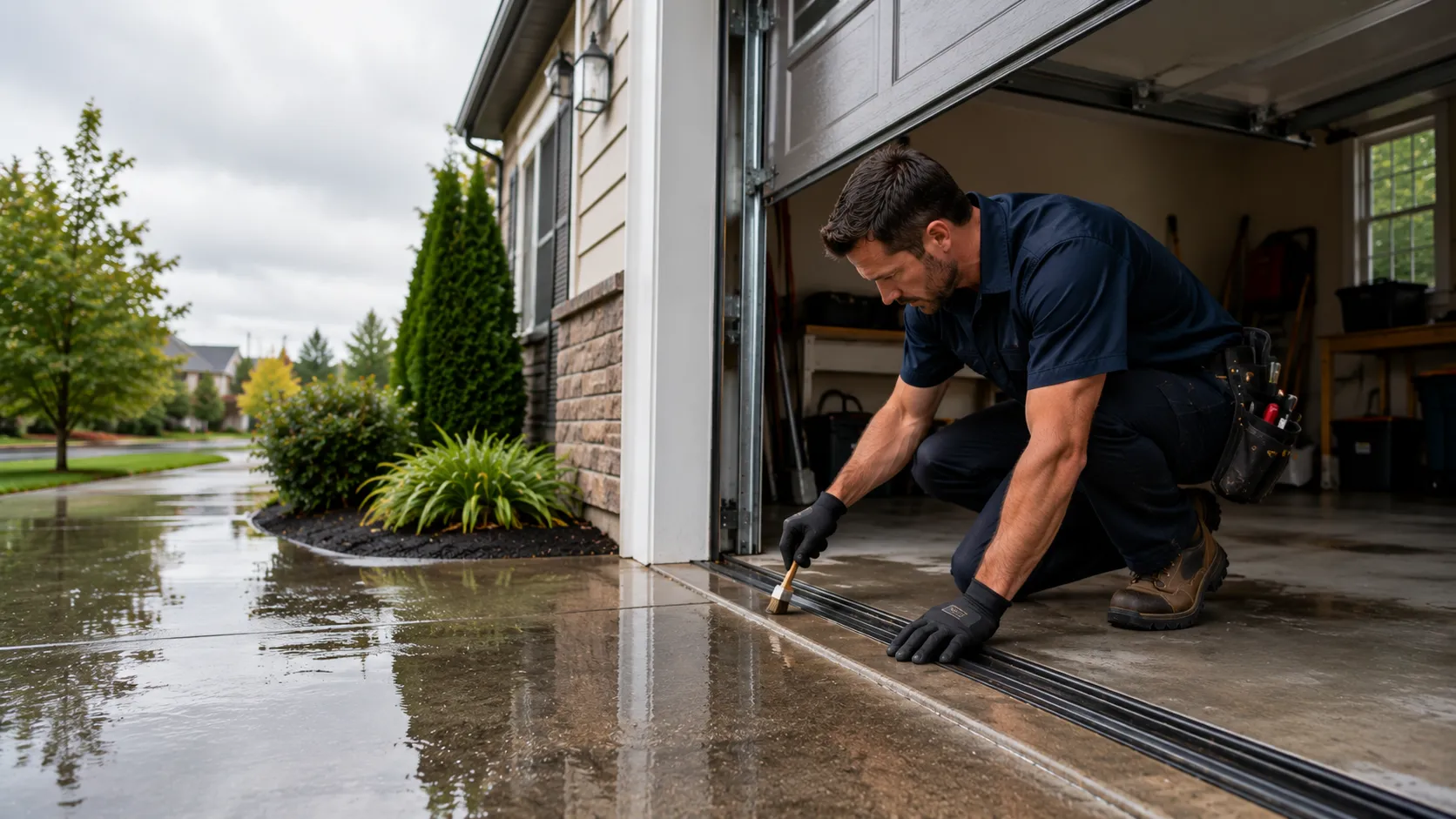
Before you call anyone, open the manual release and see if the door moves freely by hand. If it's heavy or binds, that's a spring or track issue, not an opener issue, and no amount of opener replacement fixes it. If the door moves fine by hand but the opener won't respond, look at three things: the age sticker or install date if you have it, whether there's a battery backup box on the unit, and whether the wall control still lights up during a power interruption.
No battery backup and an opener that's original to a house built in the 1981-2014 range is worth flagging now, before the next outage, not during one. A dead logic board on a twenty-year-old unit usually isn't worth chasing down with parts, since board designs from that era aren't stocked new anymore - that's the honest limit here. Replacement is usually the cheaper and faster call once a board goes, and we'll tell you that straight rather than bill you for a repair that won't hold.
Given the median household income of $87,379 across this area, most owners we talk to would rather pay once for a backup-equipped unit than patch an old board twice.
Season by Season
Spring is when you notice slack chains and the first heat-cycle failures from last summer finally show up as intermittent response. Summer is the hard season here - moderate heat band or not, a garage that sits closed all day traps enough warmth to push an aging board past where it wants to run, and this is also storm season, when short outages are most likely to catch an opener without backup mid-cycle.
Fall is the calm stretch, and it's the right time to deal with anything you noticed acting up over the summer rather than waiting for it to fail outright. Winter here is mild by most standards, but a garage that stayed hot for months and then cools fast can still shift wood door panels slightly on houses from the older end of the 1981-2014 range, which sometimes shows up as new alignment noise from the opener rail rather than the door itself. None of this needs a call every season - most of it is a five-minute look.
How We Can Help
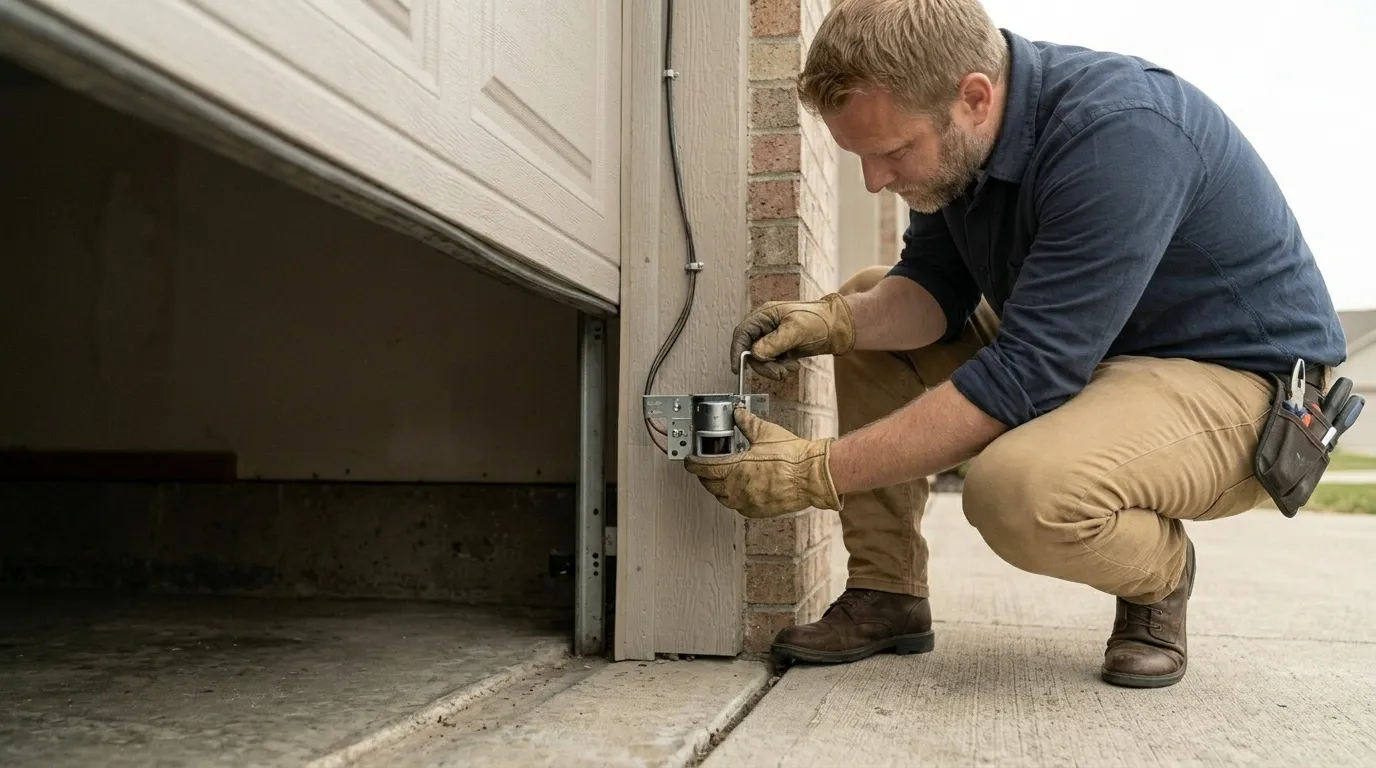
Garage Door Repair
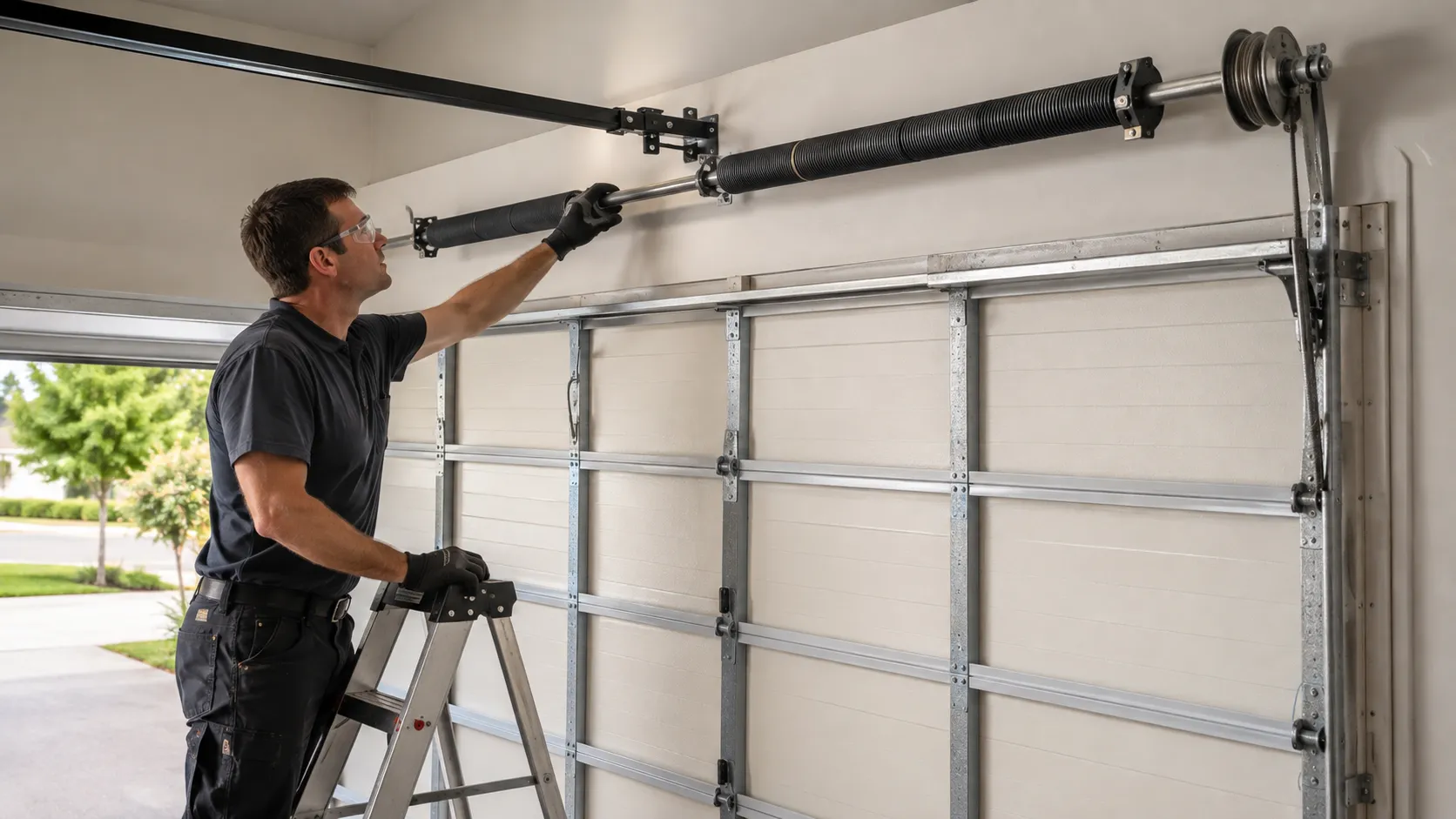
Springs, cables, tracks, rollers, and openers fixed by a tech who explains the problem before touching anything.
Learn more →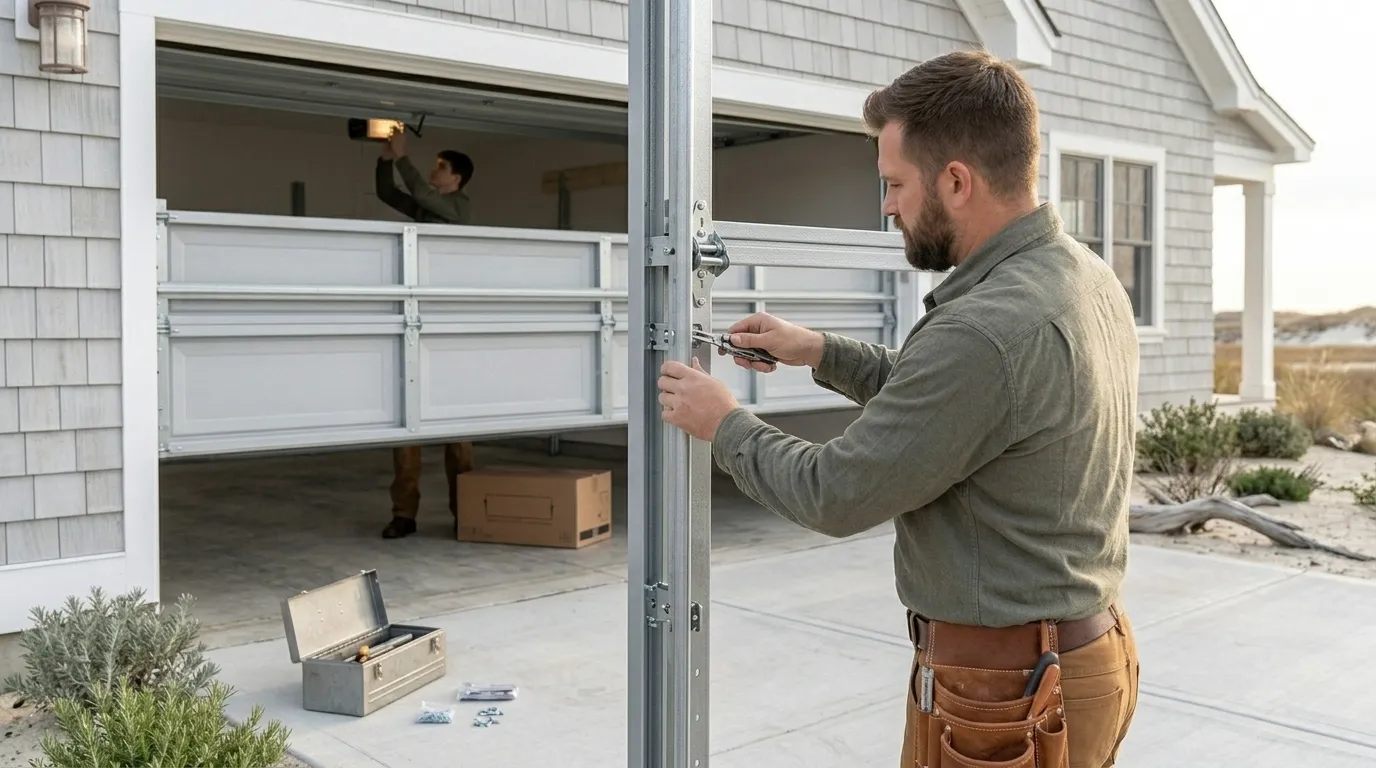
Garage Door Installation
New sectional doors sized and installed for the housing stock actually built in this area.
Learn more →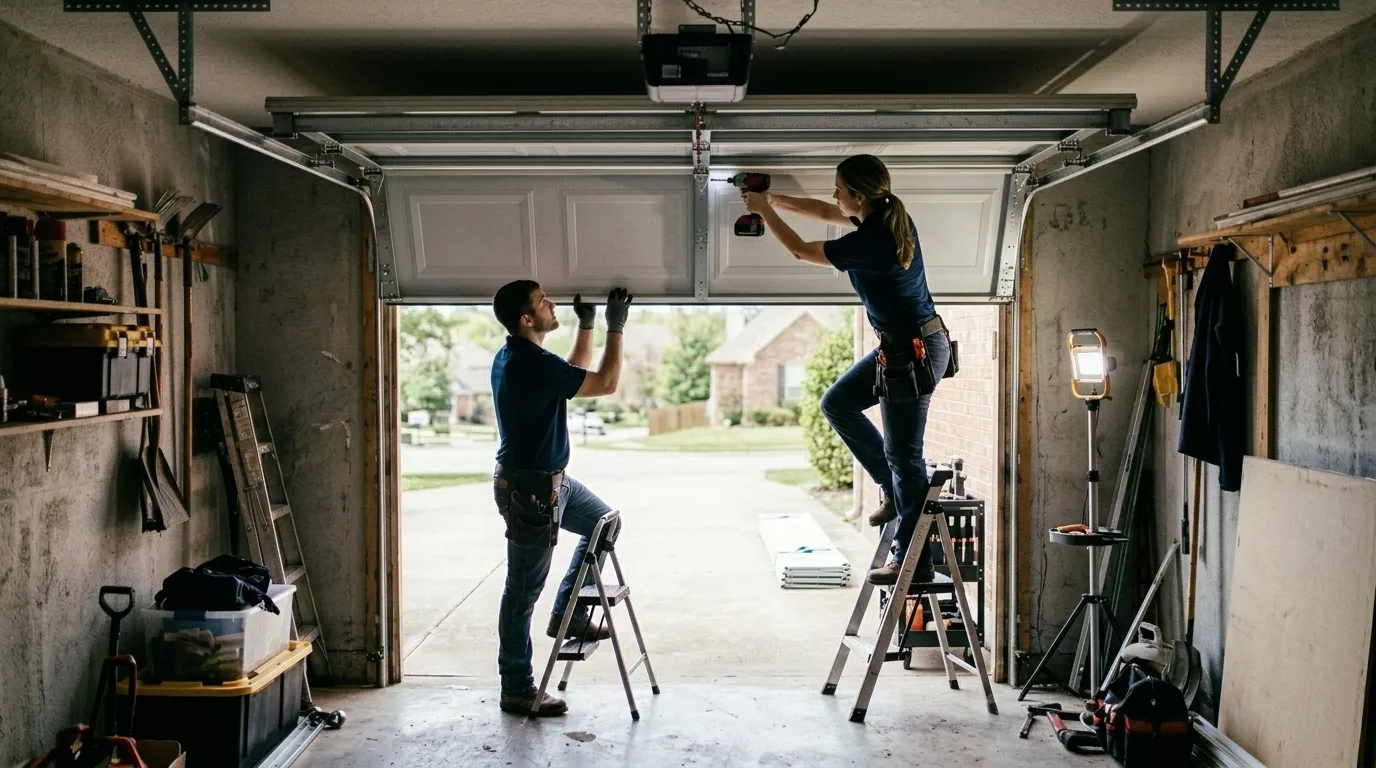
Garage Door Service
Tune-ups, lubrication, and safety checks that catch a small problem before it becomes a service call.
Learn more →Frequently Asked Questions
Why does my opener only fail during a power outage, not otherwise?
Most openers installed when Red Oak-area houses were built don't have battery backup, since it wasn't standard yet. The motor unit itself may be fine - it just has no power source when the grid drops, so the door stops wherever it was in the cycle until power returns and you reset it.
Is Red Oak's heat actually hard on garage door openers?
It's a moderate heat band, not extreme, but a closed garage still traps warmth all afternoon. Repeated heat cycling over years wears down solder joints and relays on an opener's circuit board faster than a cooler climate would, which is a big part of why older units fail in mid-to-late summer.
My house was built in the early 1990s - is the opener original?
It's possible. A lot of the housing across this area, including Oak Leaf and Ovilla, dates from 1981 to 2014 with a median around 1991, and plenty of original openers from that window are still installed. If yours has never been replaced, it's worth checking the install date and whether it has battery backup.
Can you repair an old opener board instead of replacing the whole unit?
Sometimes, but boards from units this old often aren't stocked new anymore, so a repair isn't always possible or worth the wait. In most cases we'll tell you straight that a full opener swap, especially one with battery backup, is the better use of your money.
Have a Door That Needs a Second Opinion?
Call and describe what it is doing - we will tell you what it likely is.