
Red Oak Garage Door Guide
What an Older Door Is Worth Fixing in Red Oak
Red Oak homes mostly date to 1981-2014, median 1991. Here's how that build era and our moderate-heat climate decide whether a door is worth repairing.
- Licensed & Insured
- Same-Area Service Calls
- Upfront Pricing
The Problem
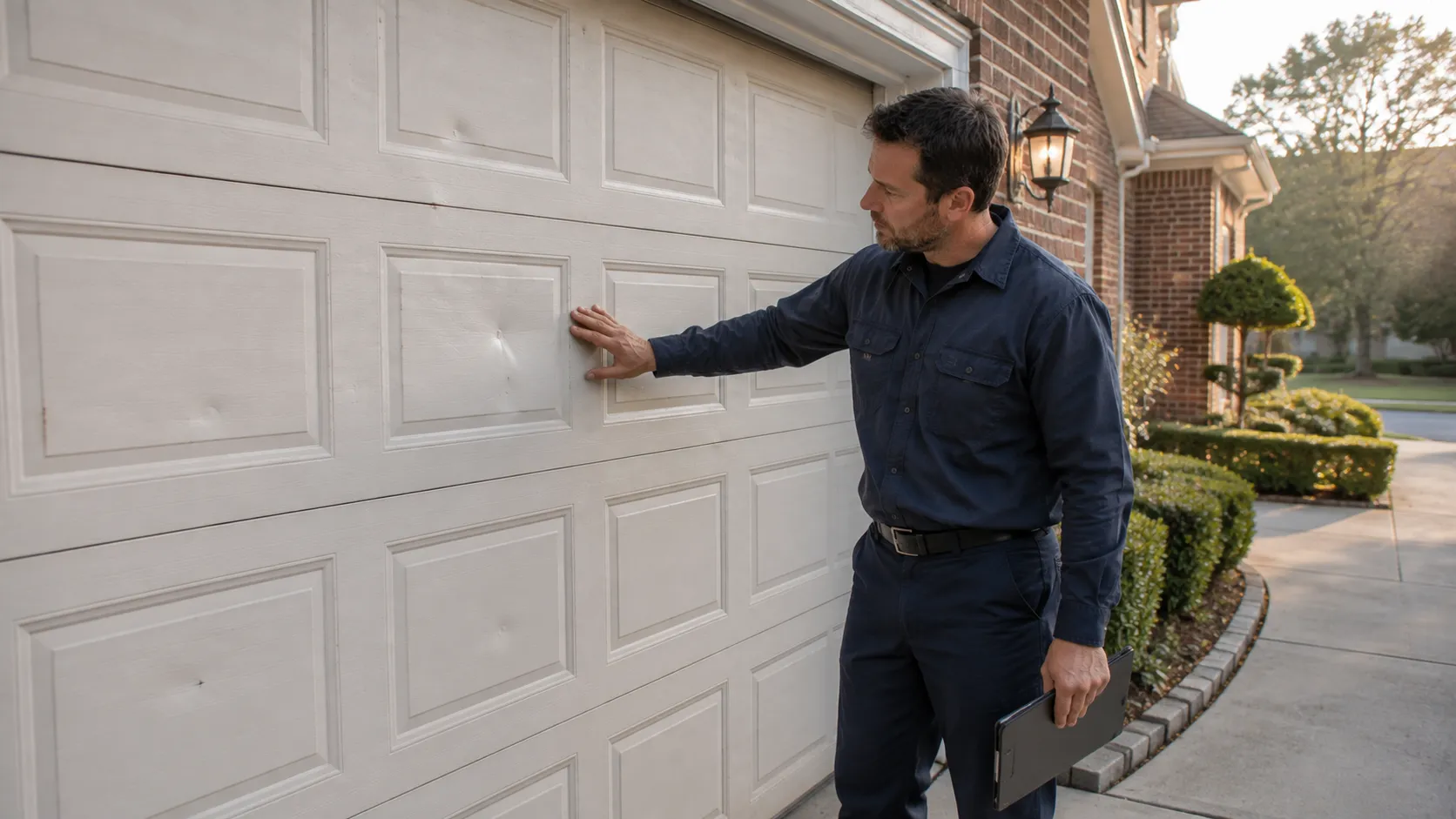
Most houses in Red Oak went up between 1981 and 2014, with the median build year sitting at 1991. That means a lot of the garage doors on this side of town are original equipment, pushing thirty years old or more, on hardware nobody upgraded when the house changed hands. The door still looks fine from the driveway.
The panel steel hasn't rusted through, the paint hasn't peeled off in sheets. \n\nThe problem isn't that these doors are bad. It's that owners can't tell, just by looking, whether a thirty-year-old torsion spring has a few years left or is one cold morning from snapping.
We get calls where the door is worth every dollar of repair, and calls where the door has already told the owner what it needs and they didn't hear it. Age alone doesn't answer the question. What the house was built with, and what's happened to it since, does.
What Local Conditions Do
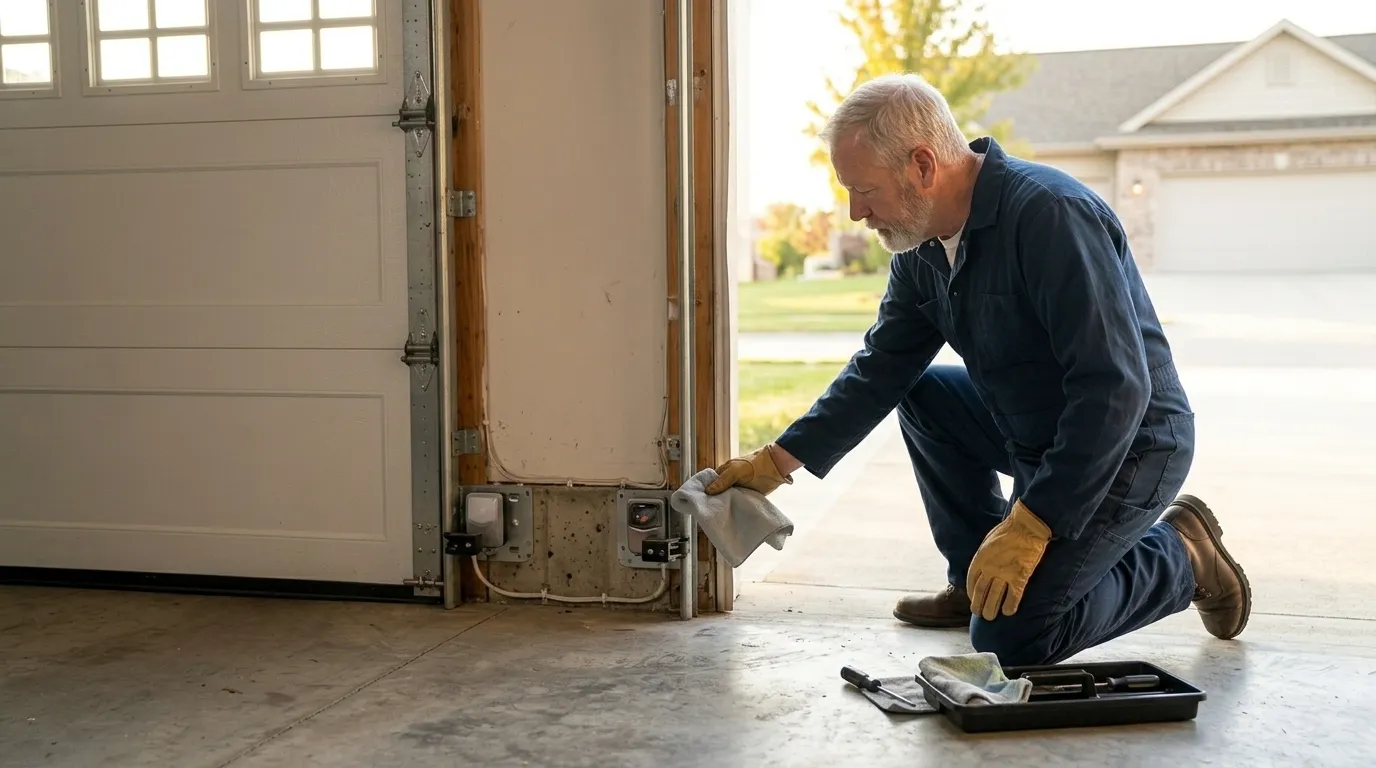
Red Oak sits in a moderate-heat climate band. That's a different kind of wear than a lot of the country deals with. There's no deep freeze-thaw cycle cracking welds or seizing tracks overnight.
\n\nOn a door built in the early 1990s, near this area's median build year, that's three decades of Texas summers on the same spring and the same roller set. It's not dramatic. No single hot week breaks a door.
But it's why a torsion spring on a house built in 1991 is a different repair conversation than one on a house built five years ago, and why the honest answer to \"is it worth fixing\" depends on what year your particular house falls into inside that 1981-2014 range.
What to Look At First
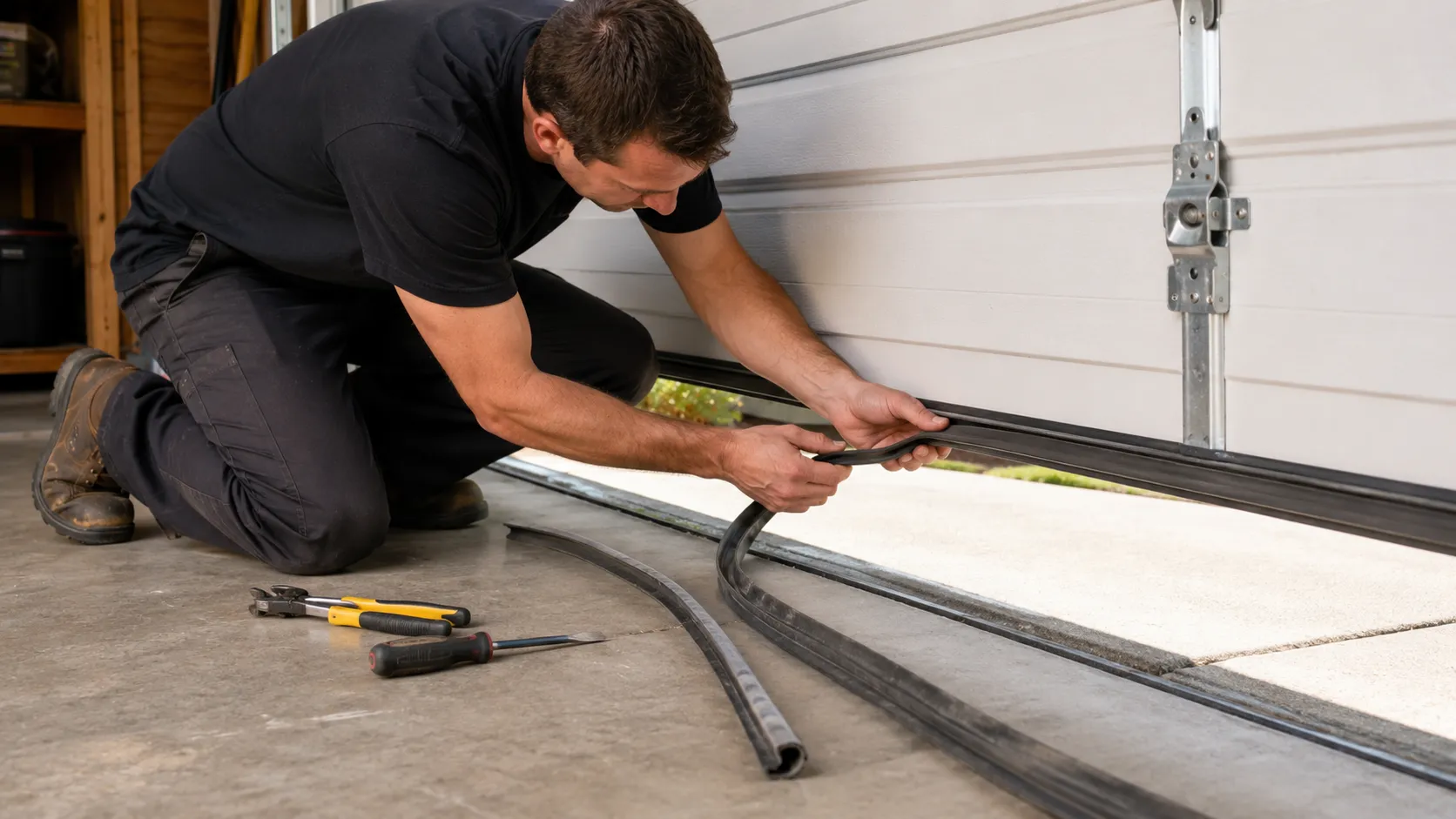
Before deciding to fix or replace, look at three things, in this order. First, the panels: dents and scuffs are cosmetic, but steel that's rusted through at the bottom corner, where lawn sprinklers and rain sit against it, usually means the door's structure is compromised, not just its looks. Second, the spring and cable: if the door's original to a house built anywhere close to the median 1991 date, that spring has likely never been swapped, and a spring that old is a safety item, not a maintenance nicety.
\n\nHere's the honest limit: we can't tell you over the phone whether your door is a repair or a replacement. Spring tension, panel rust, and track wear all need a hand on the door, not a guess based on the build year alone. The year tells us what to expect.
It doesn't replace looking at the actual door.
Season by Season
In a moderate-heat climate like Red Oak's, the calendar that matters most is summer, not winter. Late spring into summer is when steel panels expand the most and when torsion springs under sustained heat see the highest cumulative stress, so it's the season where a spring near the end of its life is most likely to finally go. \n\nFall and winter here don't bring the freeze-thaw damage that shortens door life in colder regions, so there's less urgency to weatherproof against ice.
What's worth doing in the cooler months is the inspection you'd rather do before summer stress hits: check the spring for visible gaps or stretching, listen for grinding in the rollers, and confirm the opener's safety reversal still works. On a house built near the 1991 median, that's not optional maintenance. It's the check that decides whether next summer's heat finds a door that's ready for it or one that isn't.
How We Can Help
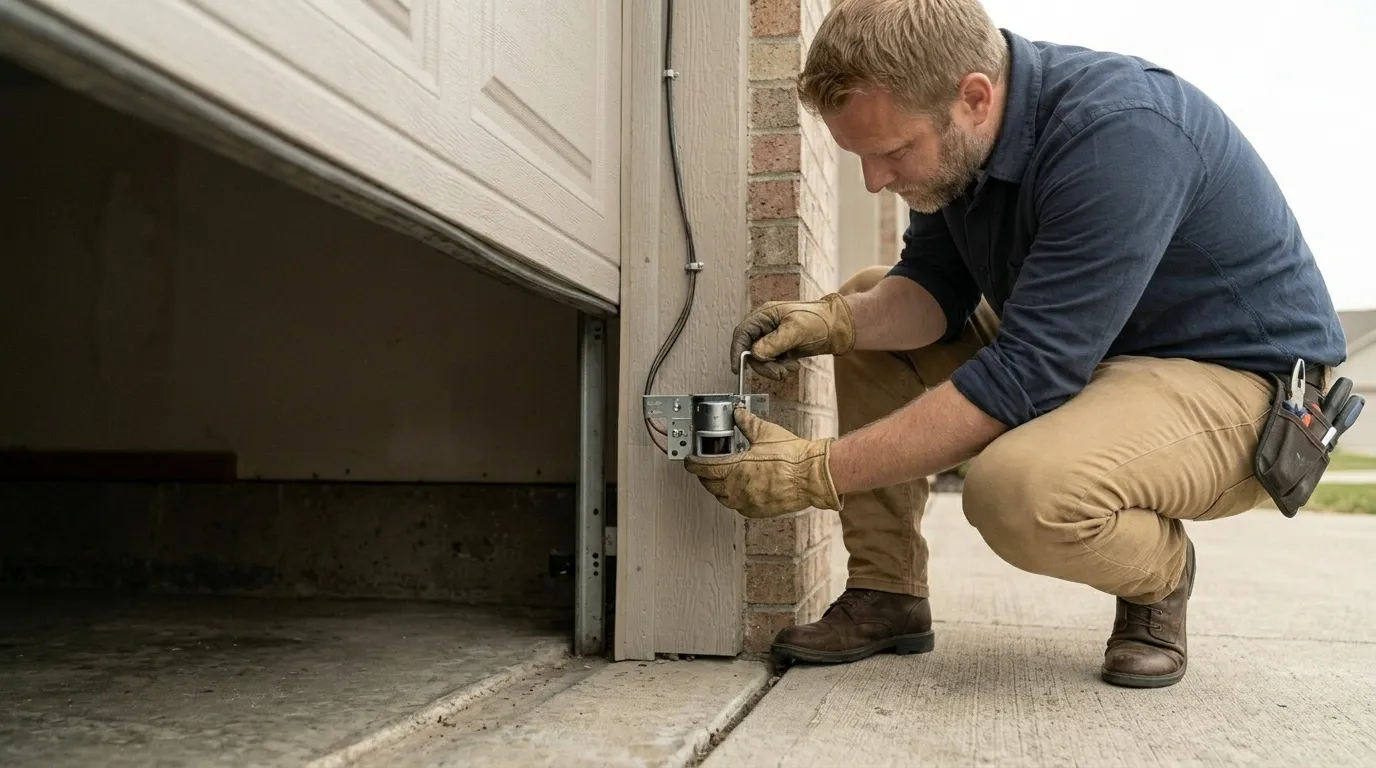
Garage Door Repair
Springs, cables, tracks, rollers, and openers fixed by a tech who explains the problem before touching anything.
Learn more →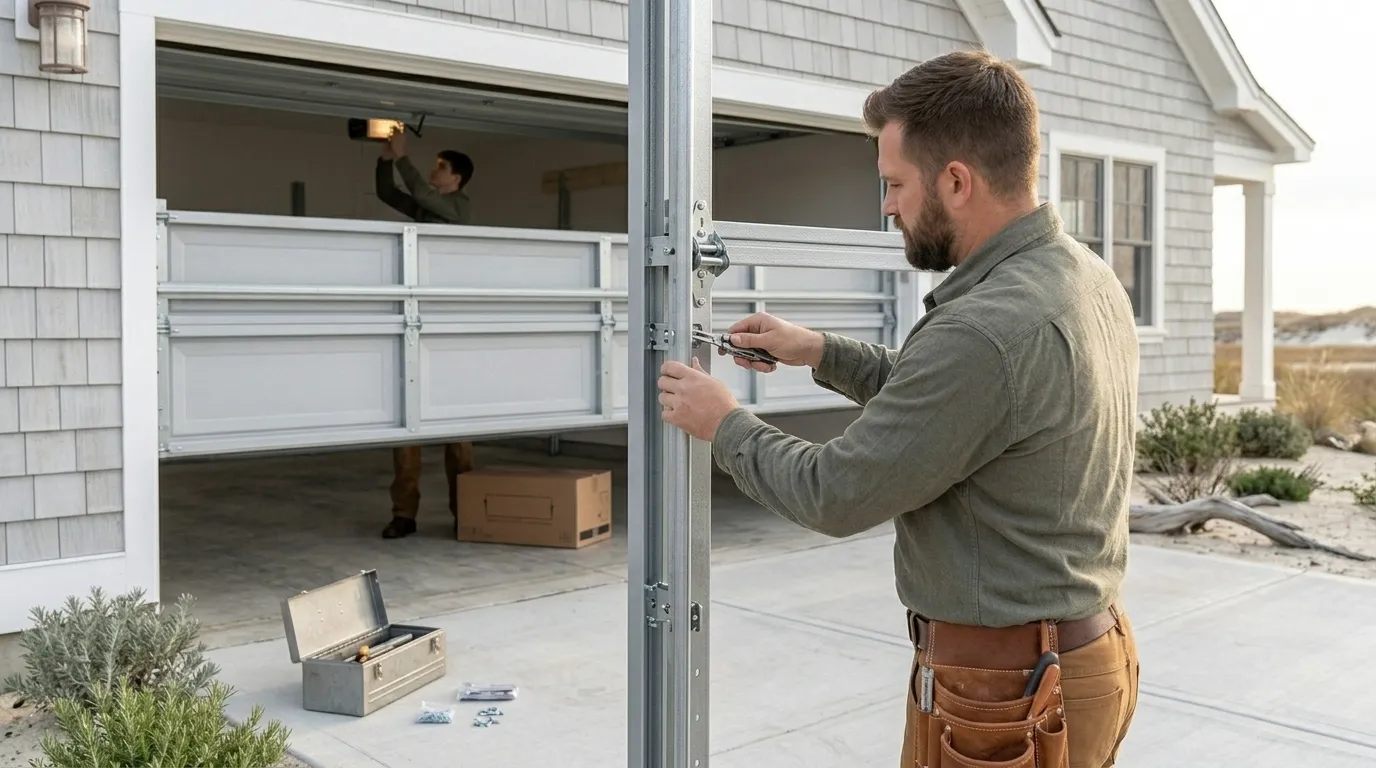
Garage Door Installation
New sectional doors sized and installed for the housing stock actually built in this area.
Learn more →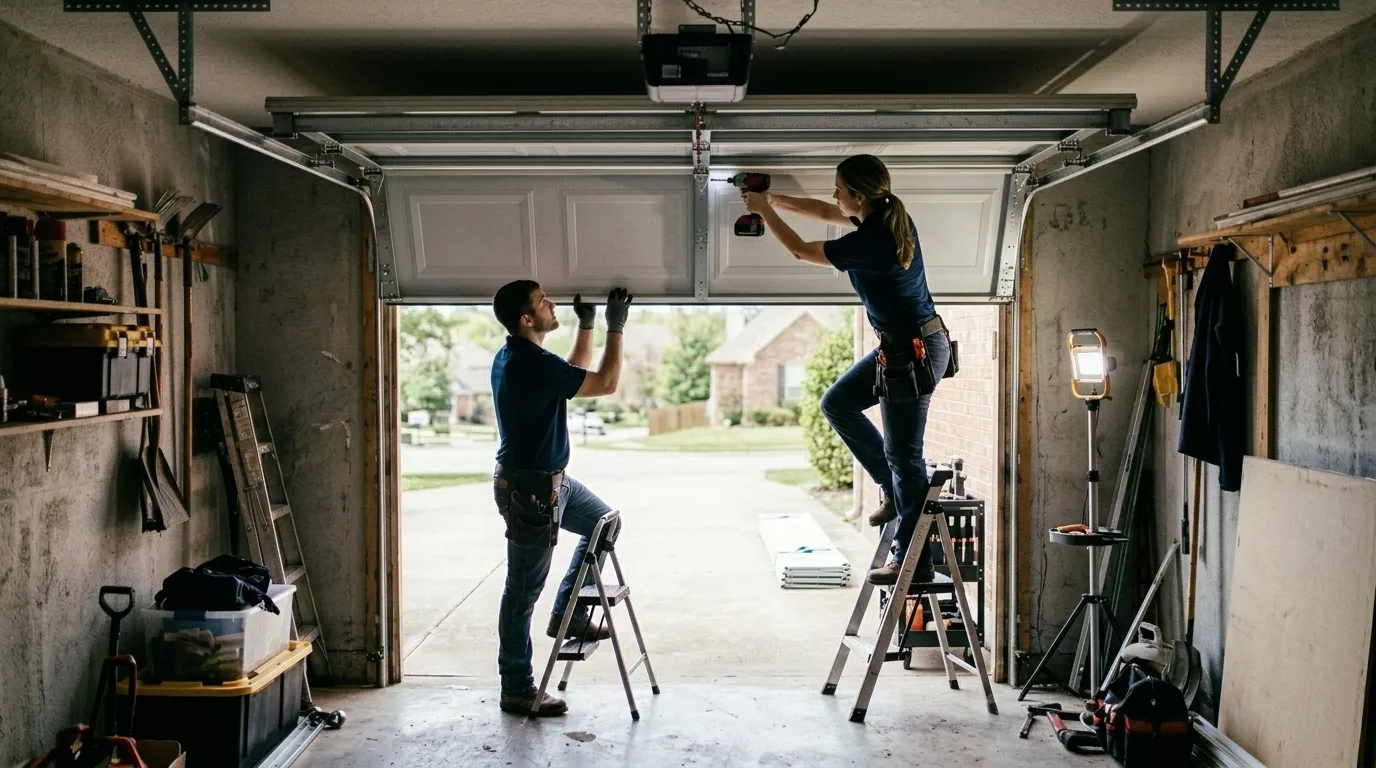
Garage Door Service
Tune-ups, lubrication, and safety checks that catch a small problem before it becomes a service call.
Learn more →Frequently Asked Questions
My house was built in the early 1990s. Is the original door worth fixing?
It depends on what's actually wearing out. If the panels are solid and it's a spring, cable, or roller issue, that's usually a straightforward repair even on a door that old. If the bottom panel has rusted through or the track is bent, replacement usually makes more sense than patching a structure that's already compromised.
Does Red Oak's climate wear garage doors out faster?
Red Oak sits in a moderate-heat band, so the main stress is repeated summer heat cycling on the panel steel and springs, not freeze-thaw damage. Over thirty years, that steady heat exposure adds up, which is part of why doors from the 1980s and 90s building wave are now showing spring and roller wear.
How do I know if my spring has never been replaced?
If you don't have a record of a spring replacement and your house dates to Red Oak's typical 1981-2014 building range, assume it's original until someone checks it. A visibly stretched or gapped coil, or a door that feels heavier than it used to when lifted by hand, are signs worth having looked at.
Have a Door That Needs a Second Opinion?
Call and describe what it is doing - we will tell you what it likely is.