
Red Oak Garage Door Guide
What Actually Happens When We Show Up in Red Oak
A look at what our techs actually check on a Red Oak service call, and why 1980s-2014 housing stock and moderate heat here change what usually fails first.
- Licensed & Insured
- Same-Area Service Calls
- Upfront Pricing
The Problem
Most of what we get called out for in Red Oak isn't a mystery once you know the housing stock. F1 puts the median build year at 1991, with most homes going up between 1981 and 2014, so the doors and openers on a lot of these houses are original or close to it. That's thirty-plus years of torsion spring cycles, plastic idler pulleys, and steel rollers that were never built to be replaced-free-forever.
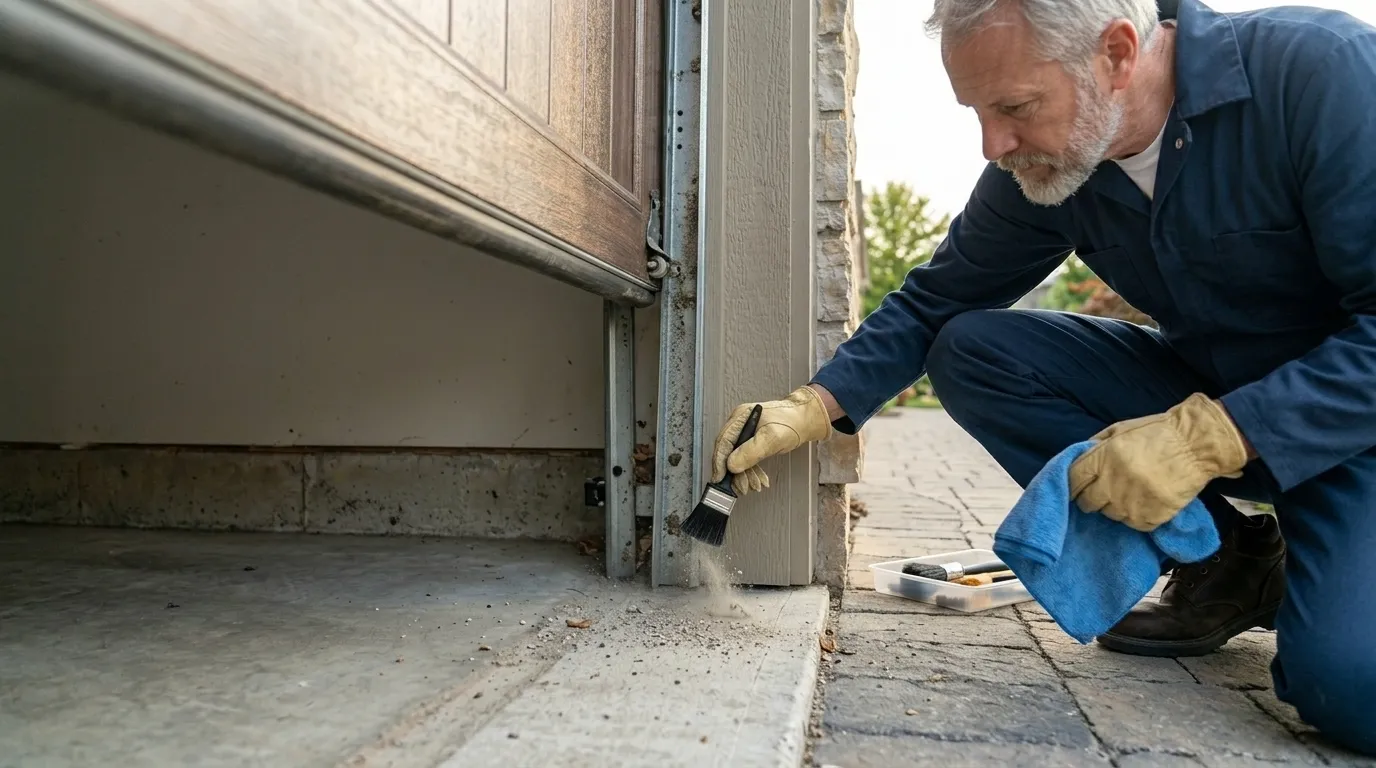
Add in F6's number - 6,001 owner-occupied houses out of 10,023 households across the service area - and you get a lot of first-owner doors that have never had a real inspection, just an opener button pressed twice a day. The problem isn't that these doors are bad. It's that nobody's looked at the spring, the cable, or the track since the house was framed.
A service call here is rarely a mystery breakdown. It's usually a part that's been quietly wearing since the Clinton administration finally giving out.
What Local Conditions Do
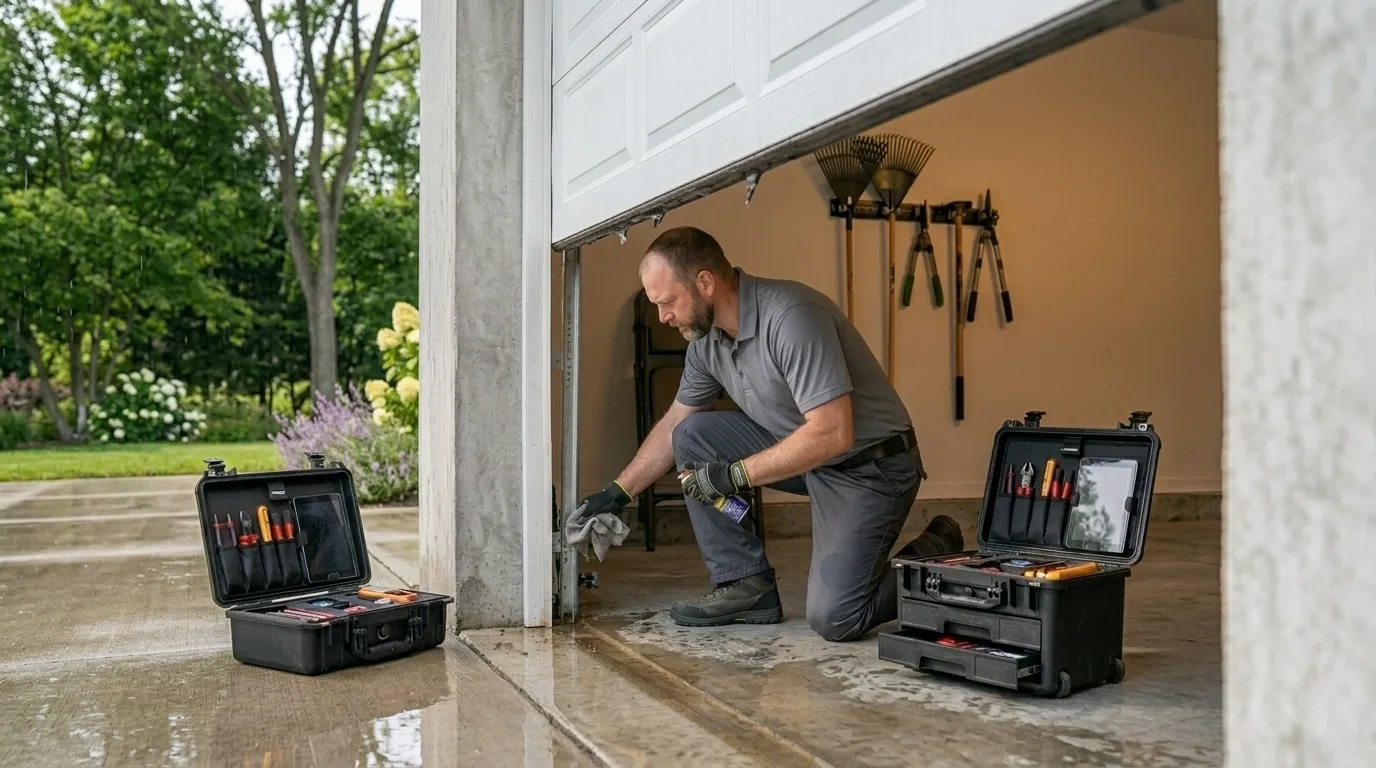
Red Oak sits in a moderate heat band per F3 - not the desert swings that crack panels or the deep freeze that seizes openers, but steady warm-season heat that does its damage slower and less dramatically. What that means on a service call: we see dried-out lubricant on torsion springs and hinges more than we see snapped cables from thermal shock. Steel expands a little in summer heat and contracts back in winter, and on a spring that's already thirty years old, that cycling is what finally lets a coil go.
Garage doors also sit on the hottest wall of the house most of the day, so the opener's logic board and the door's weatherstripping take more heat-aging than anything else on the property. We're not chasing ice-dam damage or hail dents here. We're chasing slow fatigue - the kind that builds for a decade before the spring lets go on a random Tuesday.
That's the honest version of what heat does to a garage door in this town: it doesn't break things fast, it just runs the clock down on parts that were already close to done.
What to Look At First
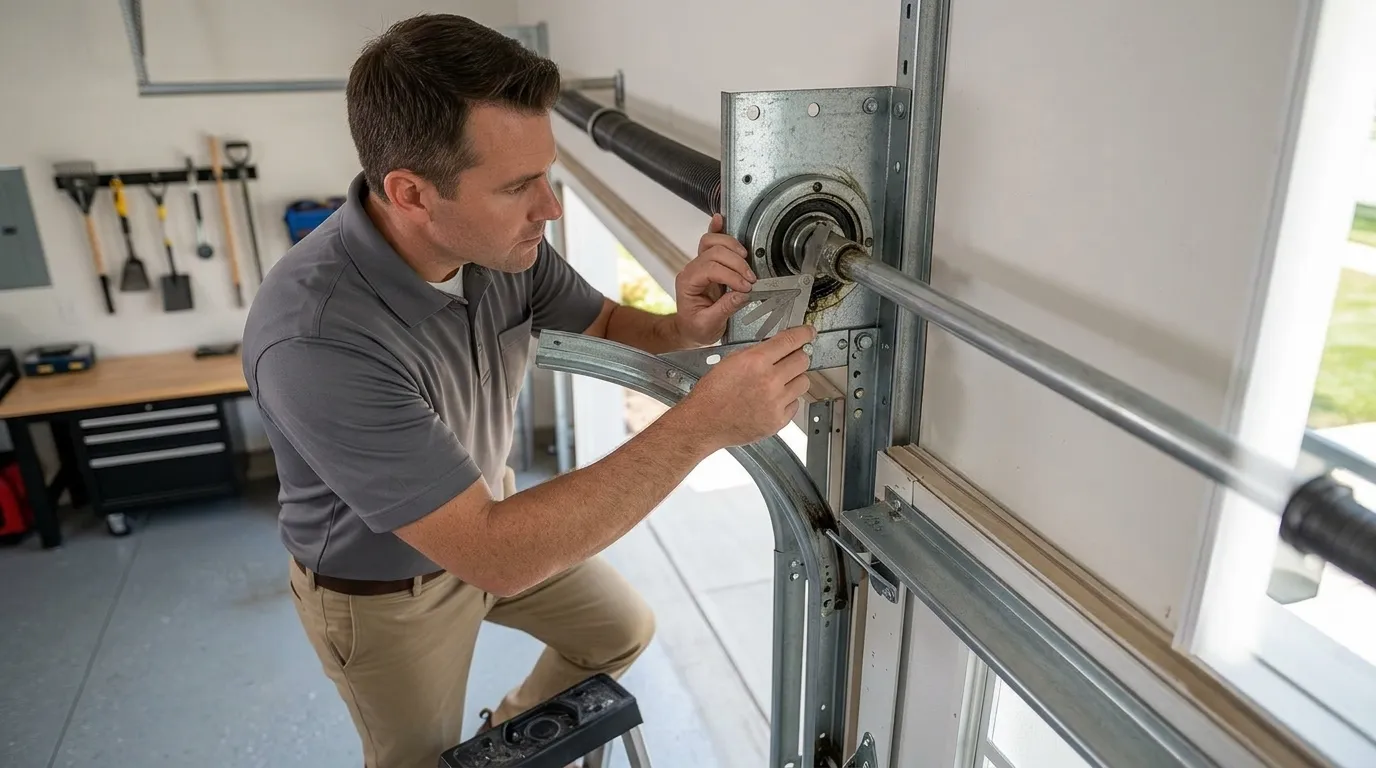
On a service call, we start with the spring, not the opener, because the opener almost never fails first. With F2's mix of 1980s and 90s stock still common across the nine named areas that make up Red Oak, a lot of these doors are still running the torsion spring that came with the house. We check for gaps in the coil, rust dust on the floor under the spring, and how the door balances when it's disconnected from the opener by hand.
Next is the track - bent rail from a backed-into door is common on original steel track, and it's cheap to true up if caught early, expensive if the rollers have already chewed the rail. Cables get a visual for fraying near the bottom bracket. Only after all that do we look at the opener itself: the logic board, the gears, the sensor eyes.
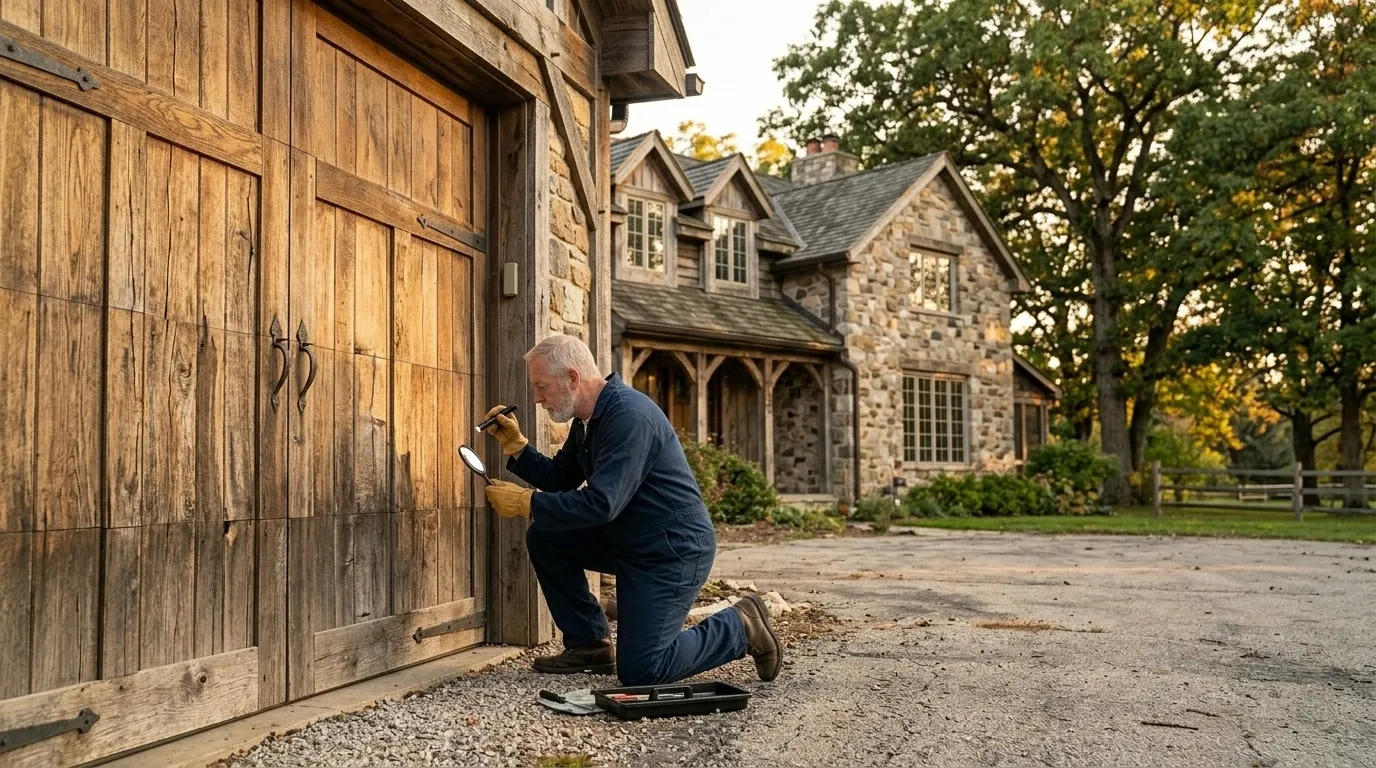
One honest limitation - if a spring's original mounting hardware has corroded past the point of reuse, we're not going to force it back together to save you a part; that's a full spring assembly swap, and we'll say so before we start, not after.
Season by Season
With income across the service area sitting around $87,379 median per F7, most owners here can act on a repair before it turns into a full door replacement, and the season dictates what we're usually replacing. Spring and early summer bring spring and cable calls - the heat cycling described above finally catching up with 20-30 year old coils. Late summer is when opener sensors and logic boards act up, since that's when the garage wall's been holding heat the longest.
Fall is roller and hinge season - not because anything dramatic happens, but because it's the slow season when owners finally notice the door's been loud for months. Winter calls are lighter here than in harsher climates, given the moderate band in F3, but weatherstripping and bottom seals still get brittle and split. None of this is unique to any one house - it's the rhythm of thirty-year-old hardware meeting a warm climate on a predictable cycle.
If you're farther out toward Ovilla or Ferris, the same schedule applies; distance doesn't change what the spring's been doing since 1991.
How We Can Help
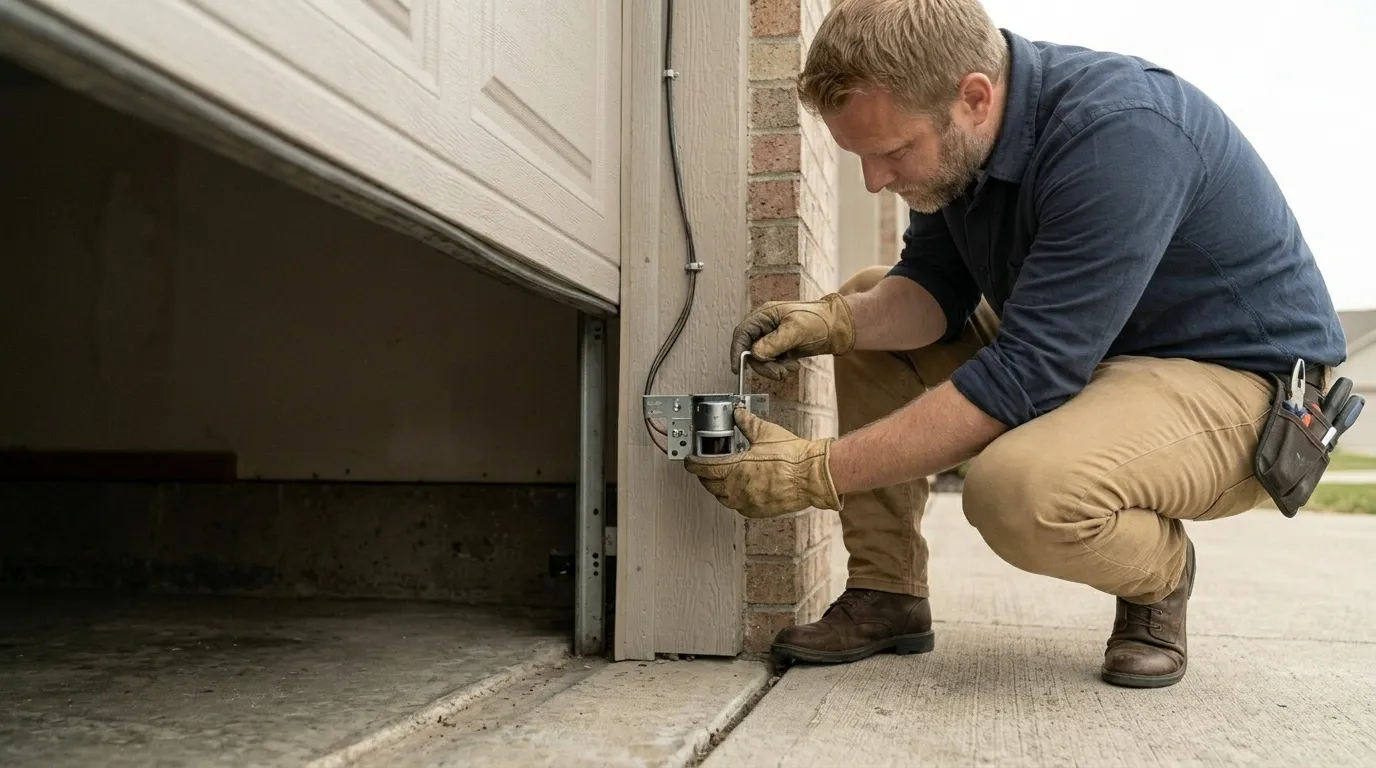
Garage Door Repair
Springs, cables, tracks, rollers, and openers fixed by a tech who explains the problem before touching anything.
Learn more →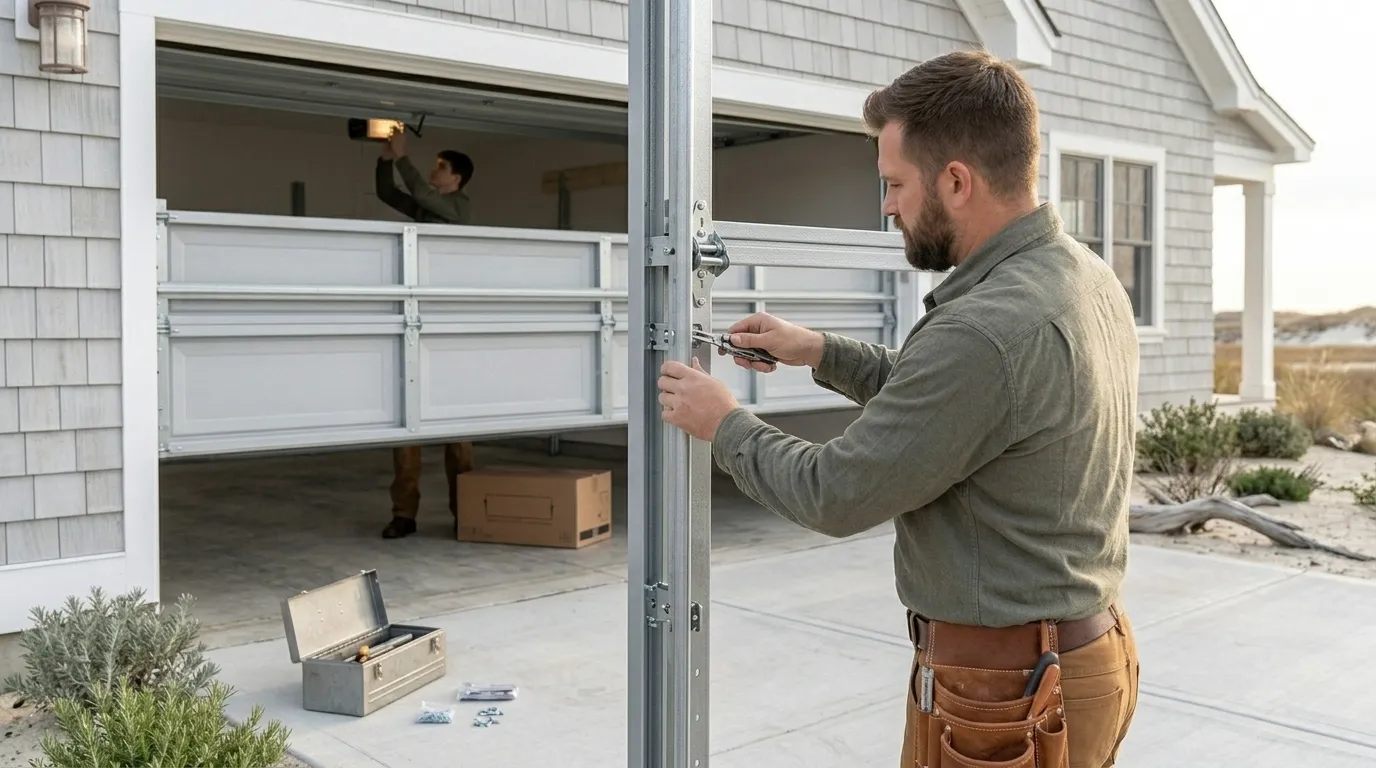
Garage Door Installation
New sectional doors sized and installed for the housing stock actually built in this area.
Learn more →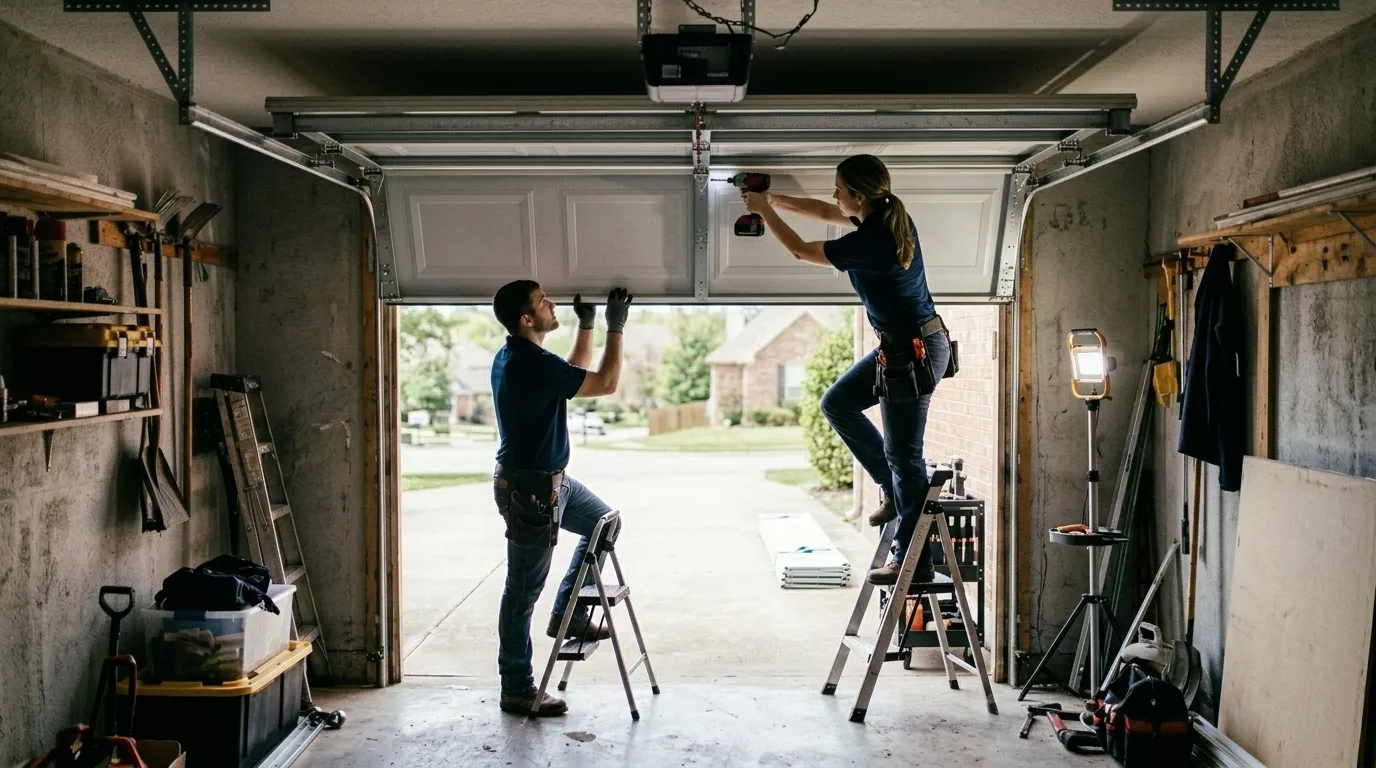
Garage Door Service
Tune-ups, lubrication, and safety checks that catch a small problem before it becomes a service call.
Learn more →Frequently Asked Questions
How old is the typical garage door in Red Oak going to be?
Based on the area's housing data, most homes were built between 1981 and 2014 with a median year of 1991, so a lot of original doors and springs are now more than three decades old. If yours hasn't been serviced since move-in, that's likely the case for you too.
Do you serve areas outside Red Oak itself?
We run calls out toward Oak Leaf, Ovilla, Ferris, Wilmer, Palmer, Hutchins, Combine, Maypearl, and Venus, ranging from about 4 to 19 miles out. The farther calls take a bit longer to schedule, but they're within our normal service radius.
Is Red Oak's climate hard on garage doors?
It's a moderate heat band, not an extreme one, so we don't see much thermal-shock cable failure or ice-related seizing. What we see instead is slow wear - dried lubricant, fatigued springs, and heat-aged weatherstripping - built up over years of steady warm-season cycling.
Will you always recommend replacing the spring instead of patching it?
No. If the spring and hardware are sound, we service and re-lubricate rather than replace. But if mounting hardware has corroded past reuse, patching it isn't safe, and we'll say so upfront rather than force a fix that won't hold.
Have a Door That Needs a Second Opinion?
Call and describe what it is doing - we will tell you what it likely is.